Cream Cheese Chocolate Cake
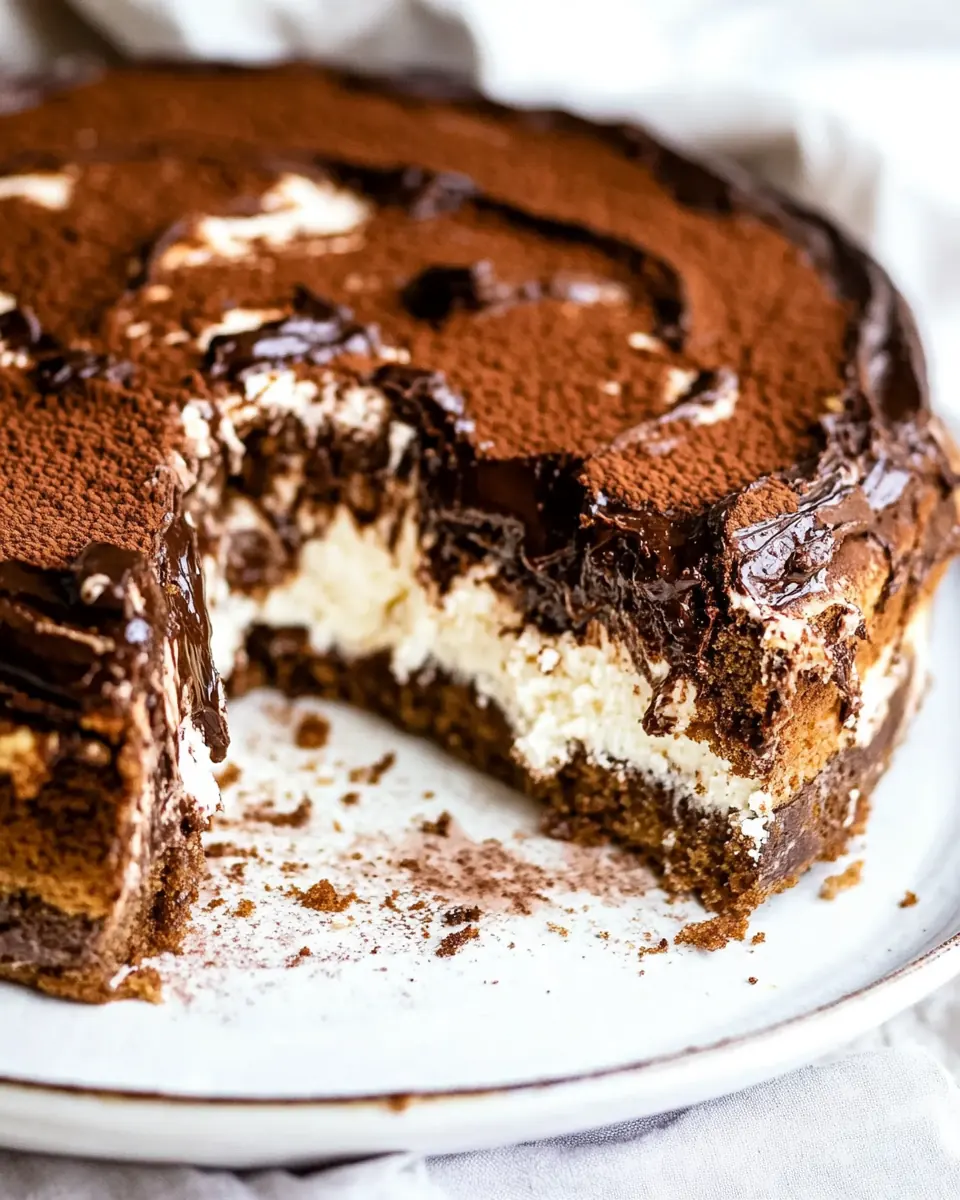
Cream Cheese Chocolate Cake started as one of those rainy day experiments that turned into a family favorite, and I still smile when I pull it from the oven. The first bite is a little like finding a secret, because the soft, tangy cream cheese center contrasts with the rich, chocolatey exterior in a way that feels comforting and celebratory at once. I first made it when I had two mini loaf pans and a craving for something tender, and the result became my go to when I wanted an approachable treat with a hint of elegance.
I remember the afternoon I perfected the recipe, humming along to a playlist while I measured and sifted. The kitchen filled with the warm, slightly toasted scent of cocoa powder and butter, and when I sliced into the loaf, the creamy ribbon of cream cheese peeking through felt like a small triumph. Friends who tasted it asked for the recipe, and I loved hearing how it brightened someone s afternoon with a cup of tea. Over time I adjusted the texture to be just tender enough to feel like a delicate cake, yet sturdy enough to slice cleanly, which makes it perfect for gifting or a weekday treat.
Recipe Snapshot
60 mins
20 mins
40 mins
Medium
220 kcal
American
Gluten-Free, Low FODMAP
Desserts
stand mixer, mixing bowl, spatula, loaf pan, wire rack
Why This Cream Cheese Chocolate Cake Is a Winner
Surprising texture contrast
One reason I adore this Cream Cheese Chocolate Cake is the way the cream cheese filling melts into the chocolate crumb, creating a soft, silky center against a slightly denser cake. That contrast keeps each bite interesting, and I always find myself slowing down to savor the balance. I love how the filling provides moisture, so the loaf never feels dry even a day later.
Simple pantry ingredients
We often have most of the items on hand, from butter to caster sugar and eggs, which makes pulling this together easy when you want to bake without a long shopping list. The simplicity is a huge plus for me on busy afternoons, because it feels indulgent without being fussy.
Versatile for occasions
I use this cake for casual coffee catch ups and for small celebrations. The loaf size is forgiving, and you can easily adapt toppings. When I bring it to friends, it disappears quickly, which always makes me feel proud. The recipe reads as special, yet it s straightforward enough for weeknight baking.
Reliable technique
The method emphasizes gentle folding and careful mixing, which delivers consistent results. I appreciate that it teaches patience without complexity. When I follow the steps, I know the batter will be smooth and the filling will remain creamy, which helps build confidence in the kitchen.
Approachable presentation
Once cooled and sliced, the loaf looks inviting, with the chocolate chips on top adding a casual, homemade charm. I often sprinkle a few extra chips before baking to create a little visual interest. It s the kind of dessert that looks like you cared, but not like you spent hours creating it.
What You Need for Cream Cheese Chocolate Cake
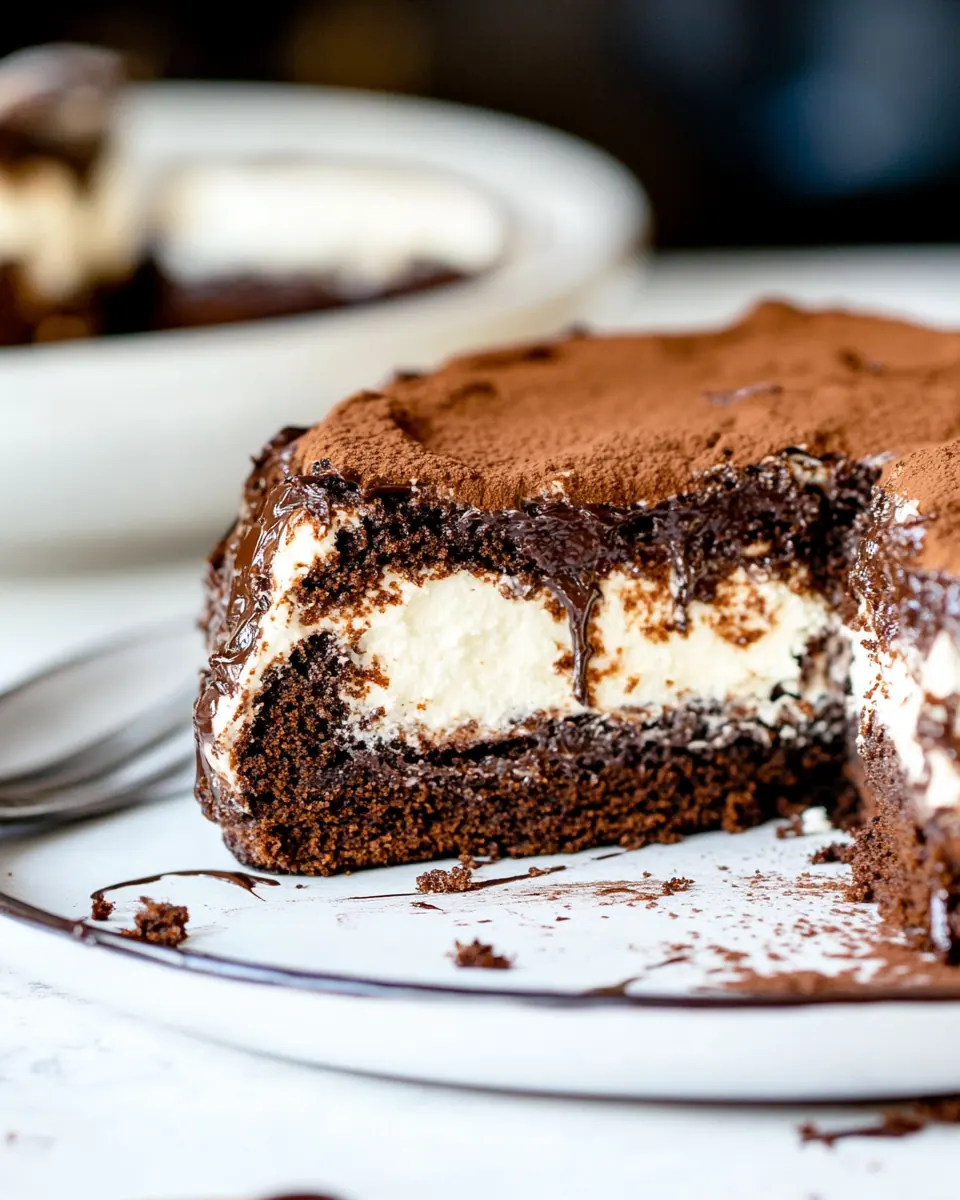
These ingredients come together to create a lovely interplay of textures and flavors. The batter delivers a tender crumb while the filling offers a tangy, creamy lift. I focus on the key players like butter, cake flour, and cream cheese because they define the structure and mouthfeel of the loaf. Together, they strike a balance between richness and lightness that makes the cake reliably satisfying.
- 1 stick unsalted butter: Provide richness and moisture while contributing a tender crumb and buttery flavor to the cake; melt or cream as directed to incorporate evenly into the batter and help suspend air for structure.
- 2/3 cup caster sugar: Sweeten the batter and help with structure; dissolve into the butter during creaming to trap air and ensure even sweetness throughout the cake.
- 2 medium eggs, 2 oz each with shell: Add bulk, structure, and leavening through proteins and fats; beat or mix as specified to emulsify with fats and stabilize the batter while contributing moisture and richness.
- 2 tablespoons whipping cream, or milk: Loosen and enrich the batter with fat and liquid, improving texture and mouthfeel; use as indicated to adjust consistency and help dissolve dry ingredients.
- 3/4 cup cake flour: Provide the primary structure and lightness when sifted and combined with leavening; incorporate gently to avoid developing too much gluten for a delicate cake crumb.
- 1 teaspoon baking powder: Contribute lift and lightness by producing gas during baking; combine with flour to distribute evenly and activate properly for an even rise.
- 2 teaspoons unsweetened cocoa powder: Add chocolate flavor and deepen color without adding moisture; sift or mix with dry ingredients to ensure even flavor distribution throughout the cake.
- 1/8 teaspoons salt: Balance sweetness and enhance other flavors while strengthening gluten slightly; mix thoroughly with dry ingredients to ensure even seasoning.
- 1/3 cup chocolate chips, for topping (optional): Offer optional texture and concentrated chocolate pockets on top; sprinkle or fold as desired to add bursts of melted chocolate in the finished cake.
- 3.5 oz cream cheese, softened: Provide tang, creaminess, and moisture while contributing to a dense, rich texture in the filling; soften to room temperature to blend smoothly and avoid lumps.
- 2 tablespoons caster sugar: Sweeten the cream cheese mixture and balance its tang; dissolve into the softened cheese to create a smooth, harmonious filling.
- 1 tablespoon beaten egg: Bind and enrich the filling while adding structure and cohesion; beat lightly into the cream cheese to help set the mixture during baking.
- 1/2 teaspoon corn flour: Stabilize and thicken the filling by absorbing moisture and helping it set; whisk into the wet filling ingredients to prevent separation and create a smooth texture.
The Method for Cream Cheese Chocolate Cake
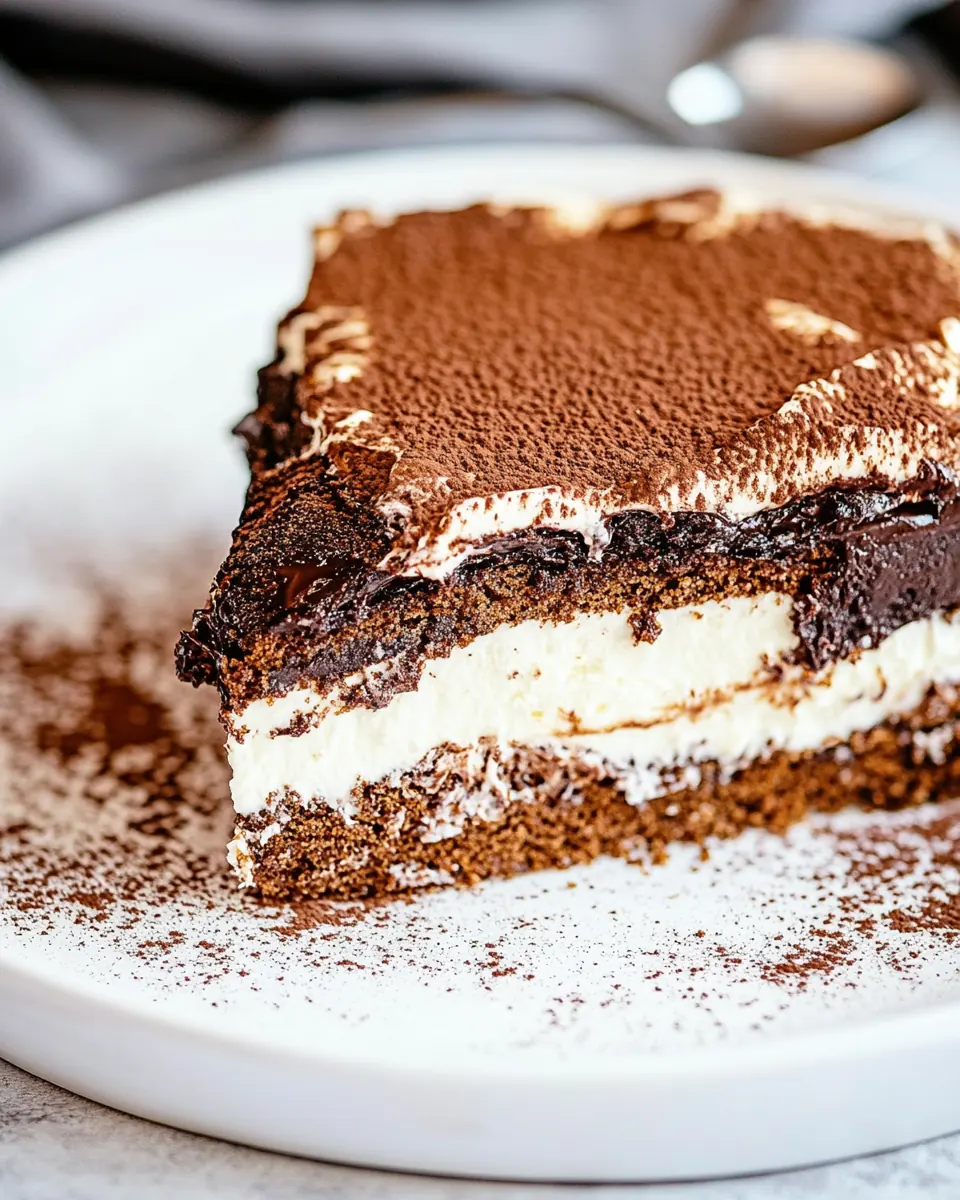
I like to move calmly through the steps so the batter and filling reach the right texture. The process is straightforward but attentive, and taking small pauses to check consistency makes a big difference in the final loaf. Keep tools handy and preheat early so everything flows smoothly.
- Preheat the oven to 320°F (160°C). In a mixing bowl, add butter and sugar. Beat with a stand mixer on medium speed until the mixture is light and fluffy, about 2 minutes.: The warm, dry air of a properly heated oven helps the cake develop a gentle crust while the interior sets. You should feel a slight heat when you open the oven and see the thermometer read the target temperature. If the oven is cooler than indicated, the cake may take longer to set and the filling could spread. Avoid opening the oven repeatedly during the early stages of baking, because the temperature fluctuation can make the loaf sink in the center.
- Whisk the eggs and whipping cream in a clean bowl. Slowly drizzle the mixture into the butter mixture, continuing to mix until fully incorporated. Fold in the sifted cake flour, baking powder, cocoa powder, and salt using a spatula. Scrape down the sides of the mixing bowl and mix until the batter is smooth and well combined. Set aside.: As you beat the softened butter and sugar , you will notice the color shift to a paler tone and the texture become airy, which traps tiny air bubbles that expand in the oven to give lift. The sound of the mixer will be steady and the mixture should look ribbon like when the beater lifts, indicating proper aeration. If your butter was too cold, the mixture will stay lumpy and resist creaming, producing a denser cake. Scrape the bowl once or twice to ensure even mixing.
- To prepare the cream cheese filling, first soften the cream cheese at room temperature. Beat the softened cream cheese with a stand mixer or electric hand mixer until smooth. Add sugar, egg, and corn flour, and continue beating until the mixture is smooth and free of clumps. Set aside.: Drizzling the beaten eggs and whipping cream in slowly tempers the batter, reducing the chance of curdling, and yields a cohesive, glossy texture. You will hear a slight change in pitch from the mixer as the emulsion comes together and the batter smooths out. If you add the liquid too fast, the batter can separate or become grainy, so pour gradually. Stop and scrape down the sides if you see streaks of unmixed butter.
- Pour half of the cake batter into the pan and shake it lightly to distribute it evenly. Spoon the cream cheese filling over the cake batter. Gently add the remaining cake batter on top of the cream cheese filling. Smooth the surface with the back of a spoon.: Once the dry ingredients are folded in, the batter will take on a velvety appearance and a rich chocolate aroma will lift from the bowl. Folding preserves the air incorporated earlier while evenly distributing the cake flour and cocoa powder . Overworking at this point can develop gluten and lead to a tougher crumb. Watch for streaks of flour and stop folding as soon as the mixture looks uniform.
- Sprinkle the chocolate chips on top and bake the cake for 40 minutes, or until it is firm to the touch around the edges.: The batter should be smooth, glossy, and pourable yet thick enough to hold some shape. You may notice tiny air bubbles on the surface, which is normal and helpful for a tender crumb. If the batter seems too stiff, a teaspoon of extra whipping cream can loosen it, but avoid adding more than needed. Scraping ensures no pockets of dry ingredients remain.
- Cool the cake in the pan for 20 minutes. Then, remove the cake from the pan and let it cool completely on a rack before serving.: Softened cream cheese should yield easily to a spoon and have a faint tangy scent, signaling it s ready to whip into a silkier filling. Cold cream cheese resists blending and can leave lumps, so allow sufficient time at room temperature or briefly warm in short bursts in a microwave at low power.
- Beat the softened cream cheese with a stand mixer or electric hand mixer until smooth.: As you beat, the texture will transform from slightly grainy to satin smooth and the smell will be rich and dairy forward. Smooth polishing of the filling ensures it will sit cleanly in the cake. If lumps remain, press the mixture through a mesh sieve or beat longer. Avoid overbeating, which can warm the filling too much and make it runny.
- Add sugar egg and corn flour and continue beating until the mixture is smooth and free of clumps. Set aside.: The additional sugar and beaten egg will make the filling slightly glossy and stable, while the corn flour acts as a binder so the center stays intact while baking. You should hear the mixer briefly change in tone as the ingredients homogenize. If the filling seems watery, a touch more corn flour can help, but add sparingly to avoid a pasty texture.
- Pour half of the cake batter into the pan and shake it lightly to distribute it evenly.: When the first layer settles into the pan, you will see a smooth, even surface with a faint sheen. Shaking the pan gently helps the batter level itself, preventing thin spots. If the batter clings unevenly, use a spatula to nudge it into place. Too vigorous shaking can create air pockets, so be gentle.
- Spoon the cream cheese filling over the cake batter.: The filling will sit as a paler ribbon against the darker batter, offering a striking contrast. Use an offset spatula or the back of a spoon to drop the filling gently, keeping it centered so it bakes into a neat layer. If you spread it too thin, the filling may bake into the cake instead of remaining distinct.
- Gently add the remaining cake batter on top of the cream cheese filling. Smooth the surface with the back of a spoon.: The top layer should be even and smooth, with the filling enclosed beneath. As you smooth, you may feel slight resistance where the filling sits, which is normal. Keep motions calm to avoid dragging the filling to the edges. If you see filling peeking through, press the batter around it to seal.
- Sprinkle the chocolate chips on top and bake the cake for 40 minutes or until it is firm to the touch around the edges.: As the loaf bakes, you will notice a chocolate aroma and the top may develop a delicate crust while the center sets more slowly. The edges should feel slightly springy and the center offer slight resistance when gently pressed. If the top browns too quickly, tent with foil to prevent overbrowning. Inserting a skewer through the cake may show some moist crumbs near the filling which is expected because of the cream cheese layer.
- Cool the cake in the pan for 20 minutes.: Cooling allows the structure to stabilize so the cake does not split when removed. You will see the sides pull slightly from the pan and a faint steam release as the loaf cools. If you try to unmold while too hot, the cake can break or the filling can collapse. Be patient and allow the scheduled cooling time.
- Remove the cake from the pan and let it cool completely on a rack before serving.: Once on a rack, the loaf will cool evenly and the bottom will dry just enough for clean slicing. The aroma becomes more rounded and the filling firms to a sliceable consistency. Cutting while still warm risks a gooey center and torn slices, so wait until fully cool for best presentation.
Tips and Tricks about Cream Cheese Chocolate Cake
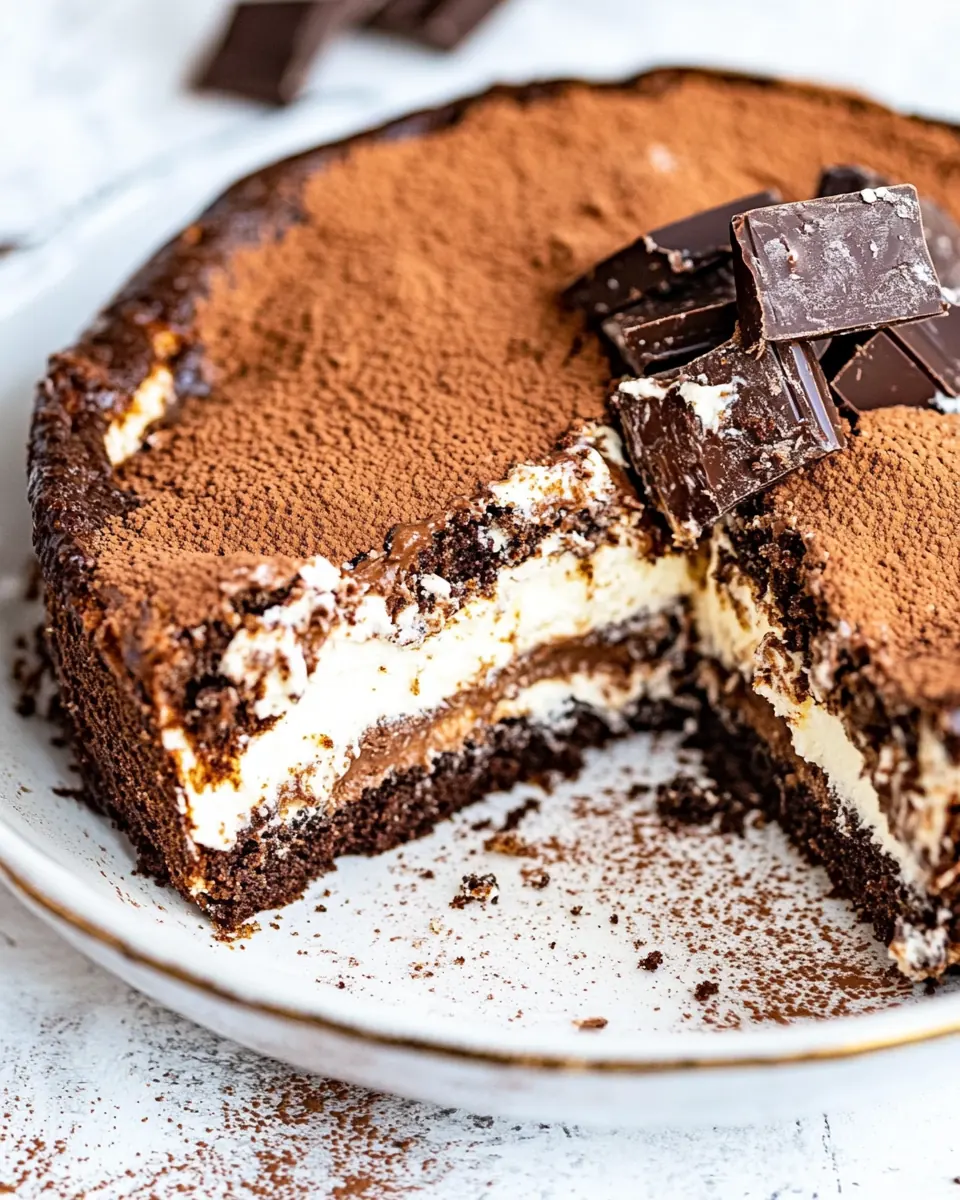
I like to collect a few reliable tips that make baking feel less mysterious and more joyful. These suggestions come from repeating the recipe many times and noticing the small choices that change the final loaf. Here are practical notes I rely on to keep the cake consistent and simple to pull off.
- Choose softened dairy: Make sure both the butter and cream cheese are at room temperature so they blend smoothly and avoid lumps in batter or filling.
- Sift dry ingredients: Sifting the cake flour and cocoa powder prevents clumps and helps them incorporate evenly for a consistent crumb.
- Don t overmix: Once you add the flour mixture, fold with care to keep the cake tender and avoid developing gluten that makes it tough.
- Stabilize the filling: The small amount of corn flour in the filling prevents it from running and gives you a neat sliceable center.
- Watch oven temperature: Use an oven thermometer if yours runs hot or cold, because accurate heat ensures the loaf bakes through without overbrowning.
How to Enjoy Cream Cheese Chocolate Cake
This loaf is relaxed yet elegant, making it suitable for many moments. Serve it for afternoon tea, a casual dessert after dinner, or as part of a small celebration. The slices pair particularly well with hot beverages or a dollop of whipped cream. Consider these serving ideas and storage tips when planning to present the cake.
- Serve slightly chilled for clean slices: After the cake cools completely, refrigerate briefly to firm the filling and help you achieve neat wedges for guests.
- Pair with hot beverages: A cup of coffee or tea complements the cocoa powder notes and balances the richness of the cream cheese.
- Pack for gifting: Slice and wrap pieces individually for a thoughtful baked gift that transports well.
- Store in the fridge: Because of the cream cheese filling, keep leftovers covered in the refrigerator for up to three days to maintain texture and food safety.
- Enjoy at casual gatherings: The loaf is ideal for a small brunch or afternoon get together, where guests can help themselves to modest slices.
FAQ
Conclusion
This recipe shines because it combines a tender chocolate loaf with a silky, tangy center that feels both comforting and a little bit special. Give it a try when you want an approachable dessert that still looks thoughtful on the plate. I hope it becomes one of your easy reach for recipes when you want something homemade, satisfying, and shareable.
Cream Cheese Chocolate Cake
Ingredients
Equipment
Method
- Preheat the oven to 320°F (160°C). In a mixing bowl, add butter and sugar. Beat with a stand mixer on medium speed until the mixture is light and fluffy, about 2 minutes.: The warm, dry air of a properly heated oven helps the cake develop a gentle crust while the interior sets. You should feel a slight heat when you open the oven and see the thermometer read the target temperature. If the oven is cooler than indicated, the cake may take longer to set and the filling could spread. Avoid opening the oven repeatedly during the early stages of baking, because the temperature fluctuation can make the loaf sink in the center.
- Whisk the eggs and whipping cream in a clean bowl. Slowly drizzle the mixture into the butter mixture, continuing to mix until fully incorporated. Fold in the sifted cake flour, baking powder, cocoa powder, and salt using a spatula. Scrape down the sides of the mixing bowl and mix until the batter is smooth and well combined. Set aside.: As you beat the softened butter and sugar , you will notice the color shift to a paler tone and the texture become airy, which traps tiny air bubbles that expand in the oven to give lift. The sound of the mixer will be steady and the mixture should look ribbon like when the beater lifts, indicating proper aeration. If your butter was too cold, the mixture will stay lumpy and resist creaming, producing a denser cake. Scrape the bowl once or twice to ensure even mixing.
- To prepare the cream cheese filling, first soften the cream cheese at room temperature. Beat the softened cream cheese with a stand mixer or electric hand mixer until smooth. Add sugar, egg, and corn flour, and continue beating until the mixture is smooth and free of clumps. Set aside.: Drizzling the beaten eggs and whipping cream in slowly tempers the batter, reducing the chance of curdling, and yields a cohesive, glossy texture. You will hear a slight change in pitch from the mixer as the emulsion comes together and the batter smooths out. If you add the liquid too fast, the batter can separate or become grainy, so pour gradually. Stop and scrape down the sides if you see streaks of unmixed butter.
- Pour half of the cake batter into the pan and shake it lightly to distribute it evenly. Spoon the cream cheese filling over the cake batter. Gently add the remaining cake batter on top of the cream cheese filling. Smooth the surface with the back of a spoon.: Once the dry ingredients are folded in, the batter will take on a velvety appearance and a rich chocolate aroma will lift from the bowl. Folding preserves the air incorporated earlier while evenly distributing the cake flour and cocoa powder . Overworking at this point can develop gluten and lead to a tougher crumb. Watch for streaks of flour and stop folding as soon as the mixture looks uniform.
- Sprinkle the chocolate chips on top and bake the cake for 40 minutes, or until it is firm to the touch around the edges.: The batter should be smooth, glossy, and pourable yet thick enough to hold some shape. You may notice tiny air bubbles on the surface, which is normal and helpful for a tender crumb. If the batter seems too stiff, a teaspoon of extra whipping cream can loosen it, but avoid adding more than needed. Scraping ensures no pockets of dry ingredients remain.
- Cool the cake in the pan for 20 minutes. Then, remove the cake from the pan and let it cool completely on a rack before serving.: Softened cream cheese should yield easily to a spoon and have a faint tangy scent, signaling it s ready to whip into a silkier filling. Cold cream cheese resists blending and can leave lumps, so allow sufficient time at room temperature or briefly warm in short bursts in a microwave at low power.
- Beat the softened cream cheese with a stand mixer or electric hand mixer until smooth.: As you beat, the texture will transform from slightly grainy to satin smooth and the smell will be rich and dairy forward. Smooth polishing of the filling ensures it will sit cleanly in the cake. If lumps remain, press the mixture through a mesh sieve or beat longer. Avoid overbeating, which can warm the filling too much and make it runny.
- Add sugar egg and corn flour and continue beating until the mixture is smooth and free of clumps. Set aside.: The additional sugar and beaten egg will make the filling slightly glossy and stable, while the corn flour acts as a binder so the center stays intact while baking. You should hear the mixer briefly change in tone as the ingredients homogenize. If the filling seems watery, a touch more corn flour can help, but add sparingly to avoid a pasty texture.
- Pour half of the cake batter into the pan and shake it lightly to distribute it evenly.: When the first layer settles into the pan, you will see a smooth, even surface with a faint sheen. Shaking the pan gently helps the batter level itself, preventing thin spots. If the batter clings unevenly, use a spatula to nudge it into place. Too vigorous shaking can create air pockets, so be gentle.
- Spoon the cream cheese filling over the cake batter.: The filling will sit as a paler ribbon against the darker batter, offering a striking contrast. Use an offset spatula or the back of a spoon to drop the filling gently, keeping it centered so it bakes into a neat layer. If you spread it too thin, the filling may bake into the cake instead of remaining distinct.
- Gently add the remaining cake batter on top of the cream cheese filling. Smooth the surface with the back of a spoon.: The top layer should be even and smooth, with the filling enclosed beneath. As you smooth, you may feel slight resistance where the filling sits, which is normal. Keep motions calm to avoid dragging the filling to the edges. If you see filling peeking through, press the batter around it to seal.
- Sprinkle the chocolate chips on top and bake the cake for 40 minutes or until it is firm to the touch around the edges.: As the loaf bakes, you will notice a chocolate aroma and the top may develop a delicate crust while the center sets more slowly. The edges should feel slightly springy and the center offer slight resistance when gently pressed. If the top browns too quickly, tent with foil to prevent overbrowning. Inserting a skewer through the cake may show some moist crumbs near the filling which is expected because of the cream cheese layer.
- Cool the cake in the pan for 20 minutes.: Cooling allows the structure to stabilize so the cake does not split when removed. You will see the sides pull slightly from the pan and a faint steam release as the loaf cools. If you try to unmold while too hot, the cake can break or the filling can collapse. Be patient and allow the scheduled cooling time.
- Remove the cake from the pan and let it cool completely on a rack before serving.: Once on a rack, the loaf will cool evenly and the bottom will dry just enough for clean slicing. The aroma becomes more rounded and the filling firms to a sliceable consistency. Cutting while still warm risks a gooey center and torn slices, so wait until fully cool for best presentation.
Notes
- Choose softened dairy: Make sure both the butter and cream cheese are at room temperature so they blend smoothly and avoid lumps in batter or filling.
- Sift dry ingredients: Sifting the cake flour and cocoa powder prevents clumps and helps them incorporate evenly for a consistent crumb.
- Don t overmix: Once you add the flour mixture, fold with care to keep the cake tender and avoid developing gluten that makes it tough.
- Stabilize the filling: The small amount of corn flour in the filling prevents it from running and gives you a neat sliceable center.
- Watch oven temperature: Use an oven thermometer if yours runs hot or cold, because accurate heat ensures the loaf bakes through without overbrowning.