Kuih Kosui
Kuih Kosui has been one of those treats that follows me from childhood kitchens to my own cozy stove, a small rice cake that feels like home in every bite.
I first met Kuih Kosui at a neighborhood gathering where my aunt passed me a paper cup full of glossy green cakes dusted with shredded coconut, and I remember the gentle bounce when I tapped the surface, the soft perfume of pandan weaving through the air. That afternoon I learned that good food is often humble, built from simple pantry staples and a touch of patience. Years later, I still reach for that memory when I want something comforting but not heavy, sticky yet light, and quietly fragrant.
Making Kuih Kosui in my own kitchen is always a calm ritual. I brew pandan juice until the scent fills the room, dissolve sugar into a clear syrup, and stir flours over low heat until the texture sings silence, not haste. When I steam the mixture in little tea cups, I watch the surface set and the aroma rise, and I keep thinking about how such a small treat can carry a thousand small moments: market mornings, family chatter, and slow afternoons. Sharing it feels like passing along a secret that tastes like warmth.
Recipe Snapshot
60 mins
30 mins
30 mins
Medium
180 kcal
Malay
Vegan, Gluten-Free
Desserts
Electric blender, Fine sieve, Steamer, Small tea cups, Mixing bowl
Why This Kuih Kosui Is a Winner
Fragrant pandan character
I love how Kuih Kosui gets its personality from pure pandan. The fresh leaves release a sweet grassy perfume that punctuates every bite, and the subtle floral notes balance the gentle chewiness. When I blend pandan myself, the aroma is alive, and it makes the whole kitchen smell like a memory. This is why using fresh leaves, when possible, elevates the cake from nice to unforgettable.
Texture that tempts you back for another piece
The twin flours, rice flour and tapioca flour, work together to create that signature mouthfeel. Rice flour gives the cake body and a smooth structure, while tapioca adds that slight bounce and elasticity. I always appreciate how each forkful yields a tender chew that is never gummy, provided you cook it slowly and avoid overheating. That contrast keeps me reaching for more.
Sweetness with balance
The clear syrup, made from sugar dissolved in water, is straightforward, but it is the backbone of flavor. It sweetens without overpowering the pandan or the coconut topping. I enjoy controlling the sweetness, because a lighter syrup lets the pandan sing, while a slightly richer syrup gives a more indulgent finish. Either way, it is a friendly canvas for the other ingredients.
Simple technique, satisfying ritual
There is something meditative about steaming Kuih Kosui in small cups. The process asks for patience, not speed, and I find it calming. Steaming on high until set preserves moisture and gives a glossy surface. The small scale of the cups means each cake cooks evenly, so you get consistent results without complicated equipment. It is accessible, and I love recipes that reward a little attention.
Textural contrast with coconut
Freshly grated coconut on top adds a creamy, nutty counterpoint to the soft cake. The coconut brings both flavor and texture, a bright white against the green cake, and it lifts the whole bite. When I sprinkle it just before serving, the contrast is immediate and satisfying, and it feels celebratory even for a simple snack.
Kuih Kosui Shopping List
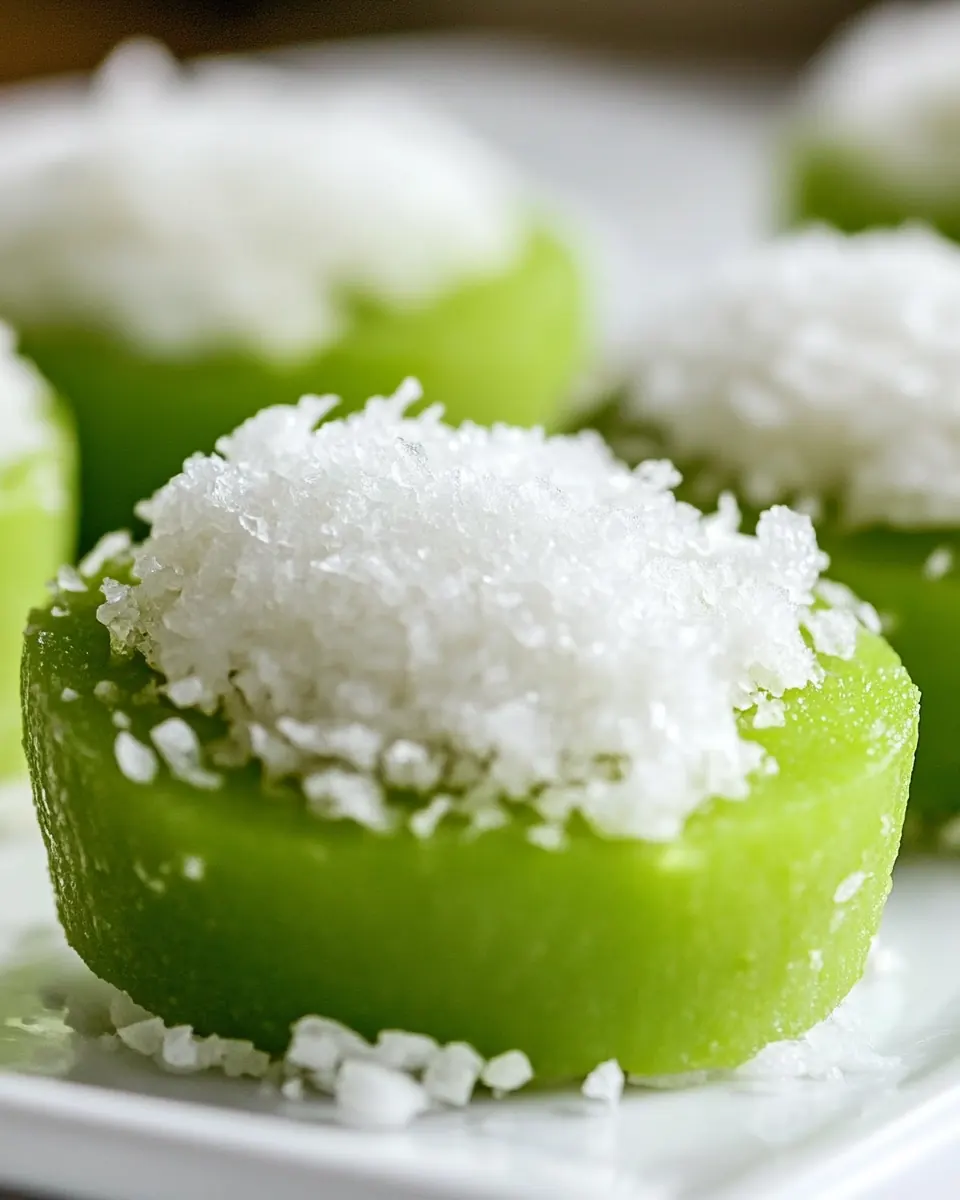
These ingredients form a small, intentional cast. Each plays a clear role: the sugar and water make a clean syrup for sweetness, pandan provides the aromatic lift, the lye water adjusts texture and bite, and the combination of rice flour and tapioca flour creates the tender yet springy body. Together they make a balanced, fragrant cake that is greater than the sum of its parts.
- 10 oz (300 g) sugar: Dissolve quickly in warm liquid to provide sweetness and structure to the kuih; helps balance flavors and contributes to a soft, tender texture when cooked. Can caramelize slightly during steaming, adding depth and color to the finished cake when reduced. Also assists in gelatinization of starches, improving mouthfeel and shelf stability for a short period.
- 16 oz (480 g) water: Hydrate thoroughly to create the syrup base and to dissolve sugars and lye water for even distribution; used in two separate additions in the recipe to control concentration and temperature during mixing. Provides the necessary liquid for starches to swell and gelatinize during steaming, affecting final chewiness and texture.
- 12 15 Pandan leaves: Infuse aromatic, floral, and slightly grassy notes when bruised or blended into the cooking liquid; contributes natural green color and a characteristic pandan fragrance associated with many Southeast Asian kuih. Can be strained out after infusion, leaving behind a delicate fragrance that enhances overall aroma without altering texture significantly.
- 21 oz (600 g) water: Provide additional liquid for the batter and for pandan infusion; used to dilute concentrated syrup and to achieve the correct batter consistency for steaming. Ensures sufficient moisture so rice and tapioca flours can fully hydrate and gelatinize, resulting in the desired soft, slightly springy texture in the finished kuih.
- 1 tablespoon lye water, kansui: Act as an alkaline agent to adjust pH, improving gelatinization of rice and tapioca flours and enhancing chewiness and glossy appearance; used sparingly to avoid soapy taste. Helps strengthen the starch network and can slightly darken the color, contributing to the traditional texture and mouthfeel of the kuih when properly balanced.
- 6 oz (175 g) rice flour: Provide the primary starchy body and structure for the kuih, gelatinizing during steaming to create a soft yet slightly firm bite; contributes to the opaque, cake-like consistency typical of rice-based kuih. Works with tapioca flour to balance chewiness and tenderness, and absorbs infused pandan and sweetened liquid for flavor distribution.
- 2 oz (60 g) tapioca flour: Contribute elasticity and chewiness to the batter by forming a more cohesive, slightly stretchy texture when cooked; helps bind the rice flour and improves the springy mouthfeel characteristic of many steamed rice cakes. Also aids in moisture retention and gives the kuih a smoother surface when combined with rice flour.
Making Kuih Kosui
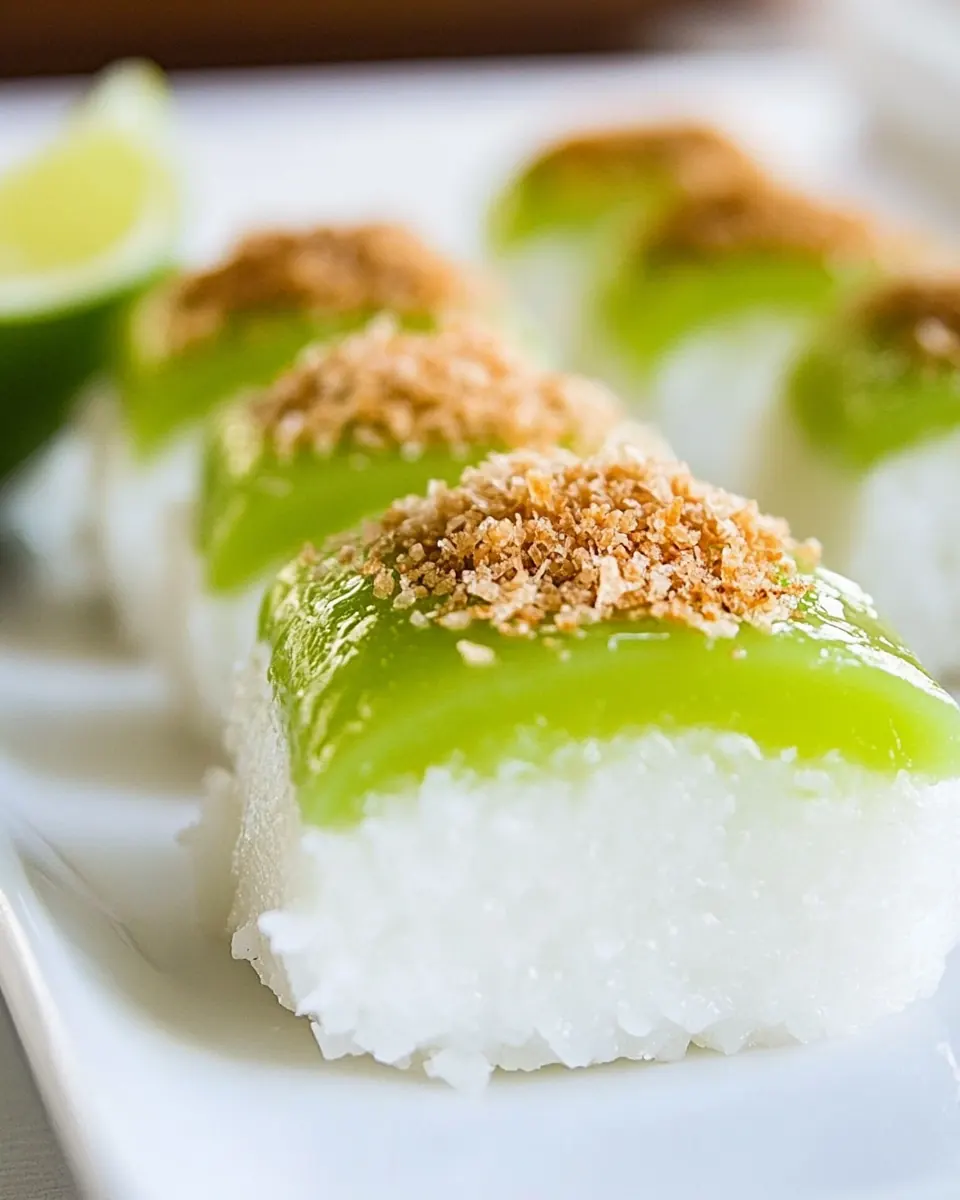
I like to think of the cooking phase as a gentle coaxing rather than a sprint. These steps transform fragrant liquids and simple flours into a soft, springy cake, and the rhythm of stirring, heating, and steaming matters. Keep your attention on texture and aroma, and you will be rewarded with consistently shaped cups of comfort.
- To make the syrup, melt the sugar in water over low heat until fully dissolved. Set aside to cool.: The room will fill with a faint sweet steam as the sugar dissolves into water , a clear, glossy liquid forming as crystals vanish. Keep the heat low so you only see tiny ripples rather than a roiling boil, because gentle warming prevents any caramel notes that would change the flavor profile. Stir occasionally with a clean spoon, listening for the soft whisper of liquid moving around the pan. Once the crystals are gone and the syrup looks smooth, slide the pot off the heat and let it cool until it is tepid, not hot, before you combine it with flours. If you add hot syrup to flour too soon, you risk clumping and uneven texture, so patience here avoids a gritty batter. A common mistake is walking away and letting it cool too long to become syrup-thick, which will alter final hydration, so aim for lukewarm.
- Cut the pandan leaves into small pieces. Combine the leaves and water in an electric blender and blend for 1-2 minutes. Strain the pandan juice through a fine sieve, then add the lye water to the juice. Set aside.: As you chop the pandan , its green scent becomes stronger, almost grassy and sweet. Blending with the measured water releases that aroma into a vivid green liquid; you should watch the color deepen and the scent intensify inside the blender. Straining separates plant fibers, leaving a silky, fragrant juice. When you stir in the small amount of lye water, do so gently and in a well ventilated space, because it changes the liquid chemistry to help the cake set. The juice should smell fresh, not soapy; an off scent signals too much alkali or overblending. A frequent error is not straining thoroughly, which leaves bits that show up as texture in the cake, so use a fine sieve and press to extract as much clear juice as possible.
- In another bowl, combine the rice flour and tapioca flour. Slowly pour in the pandan juice mixture while stirring continuously until well blended. Then, add the syrup.: When you mix the dry rice flour and tapioca flour , they look like a pale, powdery canvas ready to accept liquid. Pour the pandan juice in a thin stream while whisking, which keeps lumps from forming and brings the batter to a smooth, glossy suspension. The batter will take on a vibrant tint and smell of pandan; its viscosity should be pourable but not watery. Adding the cooled syrup last lets you control sweetness and hydration, making it easier to reach the perfect batter thickness. If the mixture seems too loose, let it rest briefly so flours absorb liquid; if too thick, add a tiny splash of water. Avoid dumping liquids quickly, because that creates lumps and an uneven crumb.
- Cook the flour mixture over low heat until slightly thickened. Remove from heat and pour into small tea cups. Steam on high heat for 15 minutes. Remove the Kuih Kosui immediately after steaming.: As you gently heat the batter, a soft transformation happens: the mixture darkens slightly and thickens, giving off a faint toasted scent of cooked starch. Stir continuously to prevent scorching, and when it clings to your spoon in a ribbon, it is ready. Pour into small, lightly greased tea cups to create neat portions, and arrange them in a steamer with room for steam to circulate. Steaming on high ensures even set. You will hear a steady hiss rather than a furious roar; that balanced steam cooks the center without drying edges. After fifteen minutes, the cakes should spring back when touched lightly, signaling they are set. A common pitfall is oversteaming, which can yield a gummy interior, so time carefully and check the texture right at the end.
- Let the Kuih Kosui cool at room temperature for at least 6 hours before removing them from the tea cups. To serve, add freshly grated coconut on top of the Kuih Kosui.: The cooling stage is where patience rewards you, as the flavors meld and the texture firms into that perfect tender chew. Leaving the cups undisturbed allows steam to dissipate slowly, preventing sogginess and making unmolding easier. When you finally run a thin knife around the edge and invert, the cake should hold its shape with a slight wobble. Top each portion with a generous sprinkle of freshly grated coconut to add creamy contrast and a fragrant finish. Avoid trying to unmold too soon, as the cake can stick and tear; the six hour rest prevents that. A frequent mistake is refrigerating immediately, which changes texture and can make the cake too firm and less pleasant.
Variations to Try
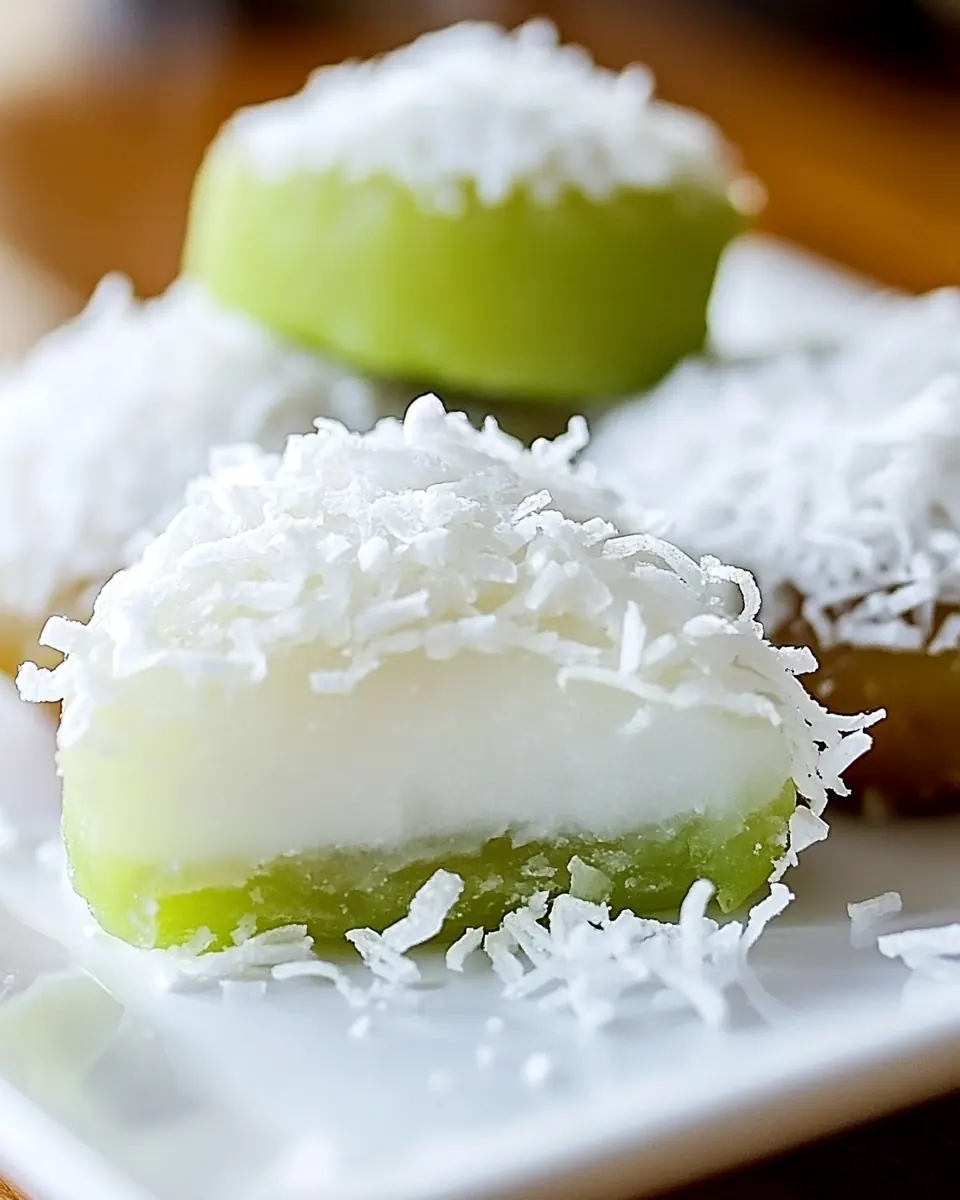
These variations let you explore subtle shifts in aroma and texture while staying true to the spirit of Kuih Kosui. Each idea is small but impactful, and they are easy to test one at a time.
- Swap pandan intensity Try using fewer or more pandan leaves to tune the fragrance to your liking, aiming for a pronounced but not overpowering aroma.
- Syrup sweetness level Reduce the sugar in the syrup slightly if you prefer a less sweet finish, which lets the coconut topping feel more prominent.
- Steam vessel size Use smaller cups for bite sized portions or slightly larger cups for sharing, adjusting steam time by a few minutes as needed.
- Coconut presentation Toast the grated coconut lightly for a nuttier note, watching closely to avoid browning too much.
- Texture tuning Alter the rice to tapioca flour ratio slightly to favor a firmer or springier bite, but change gradually to avoid dramatic shifts.
Great Combinations for Kuih Kosui
Serving Kuih Kosui is an exercise in gentle contrasts, pairing the soft cakes with vibrant or textural companions. These combinations highlight occasions and storage notes so you can plan the perfect moment to enjoy them.
- Traditional morning snack Serve a few pieces with hot tea; the warm beverage complements the pandan aroma and balances the sweetness.
- Festive gatherings Arrange on a platter with other bite sized kueh for celebrations like family get togethers and afternoon tea; the coconut topping makes them visually appealing.
- Ramadan iftar Offer small portions to break fast gently, alongside fruit and hydrating drinks to refresh the palate after fasting.
- Storage tips Let the cakes cool fully before covering; store at room temperature for up to one day or refrigerate for firmer texture and three days storage, reheating gently in a steamer to restore softness.
- Seasonal pairing In warmer months, keep servings chilled briefly before topping with coconut for a refreshing contrast, while in cooler months, serve slightly warmed to emphasize pandan fragrance.
FAQ
Conclusion
What makes this recipe special is its balance of fragrant pandan and a soft, springy texture that feels both simple and memorable. I encourage you to try making Kuih Kosui because the process is calming and the results are rewarding, offering small cups of nostalgia that are easy to share. Whether you make it for a quiet afternoon or a festive table, the gentle aroma and tender crumb will invite conversation and smiles. Enjoy the ritual of preparing it, and savor each bite slowly.
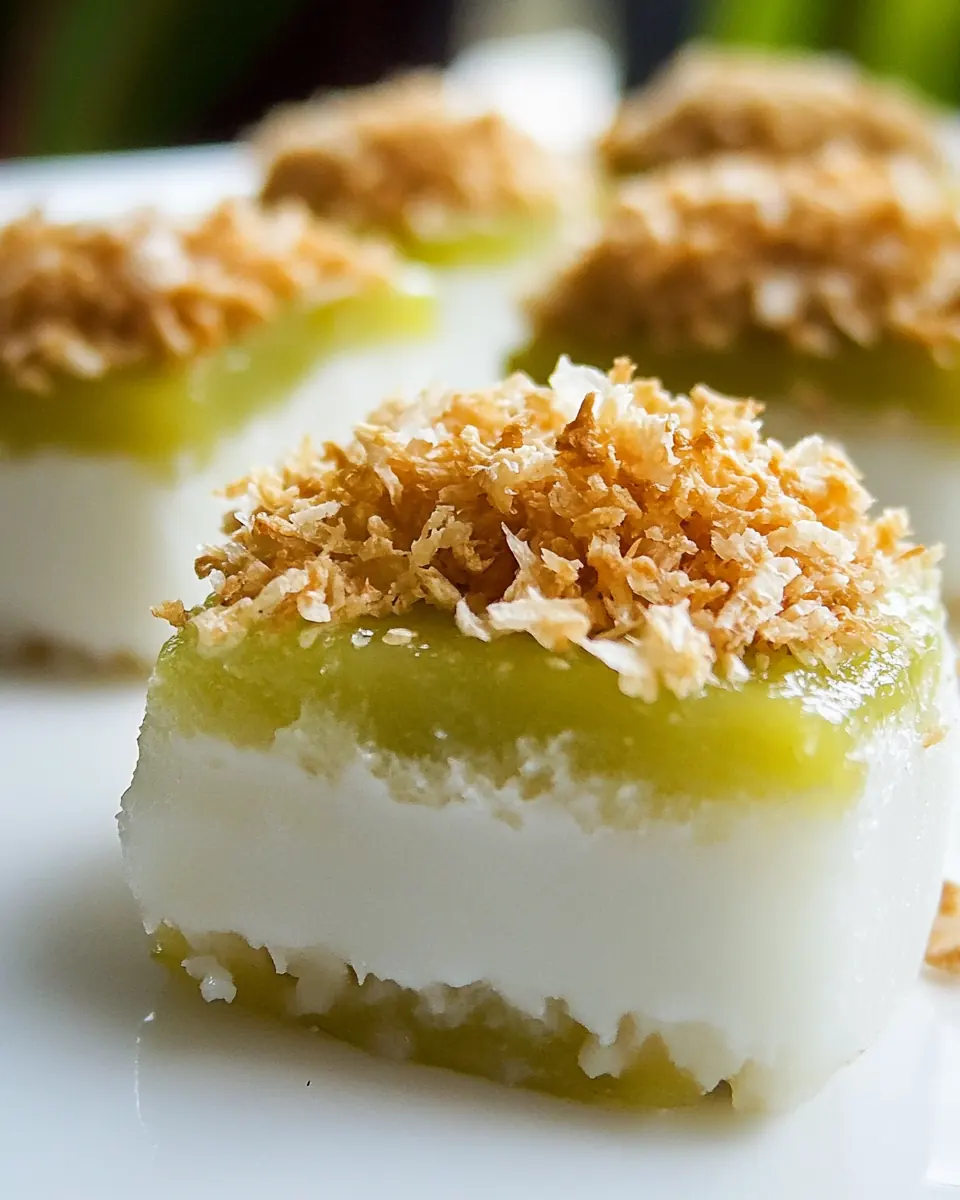
Kuih Kosui
Ingredients
Equipment
Method
- To make the syrup, melt the sugar in water over low heat until fully dissolved. Set aside to cool.: The room will fill with a faint sweet steam as the sugar dissolves into water , a clear, glossy liquid forming as crystals vanish. Keep the heat low so you only see tiny ripples rather than a roiling boil, because gentle warming prevents any caramel notes that would change the flavor profile. Stir occasionally with a clean spoon, listening for the soft whisper of liquid moving around the pan. Once the crystals are gone and the syrup looks smooth, slide the pot off the heat and let it cool until it is tepid, not hot, before you combine it with flours. If you add hot syrup to flour too soon, you risk clumping and uneven texture, so patience here avoids a gritty batter. A common mistake is walking away and letting it cool too long to become syrup-thick, which will alter final hydration, so aim for lukewarm.
- Cut the pandan leaves into small pieces. Combine the leaves and water in an electric blender and blend for 1-2 minutes. Strain the pandan juice through a fine sieve, then add the lye water to the juice. Set aside.: As you chop the pandan , its green scent becomes stronger, almost grassy and sweet. Blending with the measured water releases that aroma into a vivid green liquid; you should watch the color deepen and the scent intensify inside the blender. Straining separates plant fibers, leaving a silky, fragrant juice. When you stir in the small amount of lye water, do so gently and in a well ventilated space, because it changes the liquid chemistry to help the cake set. The juice should smell fresh, not soapy; an off scent signals too much alkali or overblending. A frequent error is not straining thoroughly, which leaves bits that show up as texture in the cake, so use a fine sieve and press to extract as much clear juice as possible.
- In another bowl, combine the rice flour and tapioca flour. Slowly pour in the pandan juice mixture while stirring continuously until well blended. Then, add the syrup.: When you mix the dry rice flour and tapioca flour , they look like a pale, powdery canvas ready to accept liquid. Pour the pandan juice in a thin stream while whisking, which keeps lumps from forming and brings the batter to a smooth, glossy suspension. The batter will take on a vibrant tint and smell of pandan; its viscosity should be pourable but not watery. Adding the cooled syrup last lets you control sweetness and hydration, making it easier to reach the perfect batter thickness. If the mixture seems too loose, let it rest briefly so flours absorb liquid; if too thick, add a tiny splash of water. Avoid dumping liquids quickly, because that creates lumps and an uneven crumb.
- Cook the flour mixture over low heat until slightly thickened. Remove from heat and pour into small tea cups. Steam on high heat for 15 minutes. Remove the Kuih Kosui immediately after steaming.: As you gently heat the batter, a soft transformation happens: the mixture darkens slightly and thickens, giving off a faint toasted scent of cooked starch. Stir continuously to prevent scorching, and when it clings to your spoon in a ribbon, it is ready. Pour into small, lightly greased tea cups to create neat portions, and arrange them in a steamer with room for steam to circulate. Steaming on high ensures even set. You will hear a steady hiss rather than a furious roar; that balanced steam cooks the center without drying edges. After fifteen minutes, the cakes should spring back when touched lightly, signaling they are set. A common pitfall is oversteaming, which can yield a gummy interior, so time carefully and check the texture right at the end.
- Let the Kuih Kosui cool at room temperature for at least 6 hours before removing them from the tea cups. To serve, add freshly grated coconut on top of the Kuih Kosui.: The cooling stage is where patience rewards you, as the flavors meld and the texture firms into that perfect tender chew. Leaving the cups undisturbed allows steam to dissipate slowly, preventing sogginess and making unmolding easier. When you finally run a thin knife around the edge and invert, the cake should hold its shape with a slight wobble. Top each portion with a generous sprinkle of freshly grated coconut to add creamy contrast and a fragrant finish. Avoid trying to unmold too soon, as the cake can stick and tear; the six hour rest prevents that. A frequent mistake is refrigerating immediately, which changes texture and can make the cake too firm and less pleasant.
Notes
- Swap pandan intensity Try using fewer or more pandan leaves to tune the fragrance to your liking, aiming for a pronounced but not overpowering aroma.
- Syrup sweetness level Reduce the sugar in the syrup slightly if you prefer a less sweet finish, which lets the coconut topping feel more prominent.
- Steam vessel size Use smaller cups for bite sized portions or slightly larger cups for sharing, adjusting steam time by a few minutes as needed.
- Coconut presentation Toast the grated coconut lightly for a nuttier note, watching closely to avoid browning too much.
- Texture tuning Alter the rice to tapioca flour ratio slightly to favor a firmer or springier bite, but change gradually to avoid dramatic shifts.