Lemon Poppy Seed Yogurt Pancakes
Lemon Poppy Seed Yogurt Pancakes are one of those breakfasts that instantly brightens a slow morning for me, and I still remember the first time I stirred poppy seeds into a lemony batter and the whole kitchen smelled like sunshine.
I keep a stack of memories tied to this recipe, from sleepy weekend brunches to hurried weekday mornings when I wanted something quick yet special. The tang from the Greek yogurt counterbalances the sweet, while the lemon zest offers that zing that wakes up the senses. I often find myself pausing as the pancakes sizzle, watching tiny bubbles form and pop, and thinking about how simple ingredients create such pleasure.
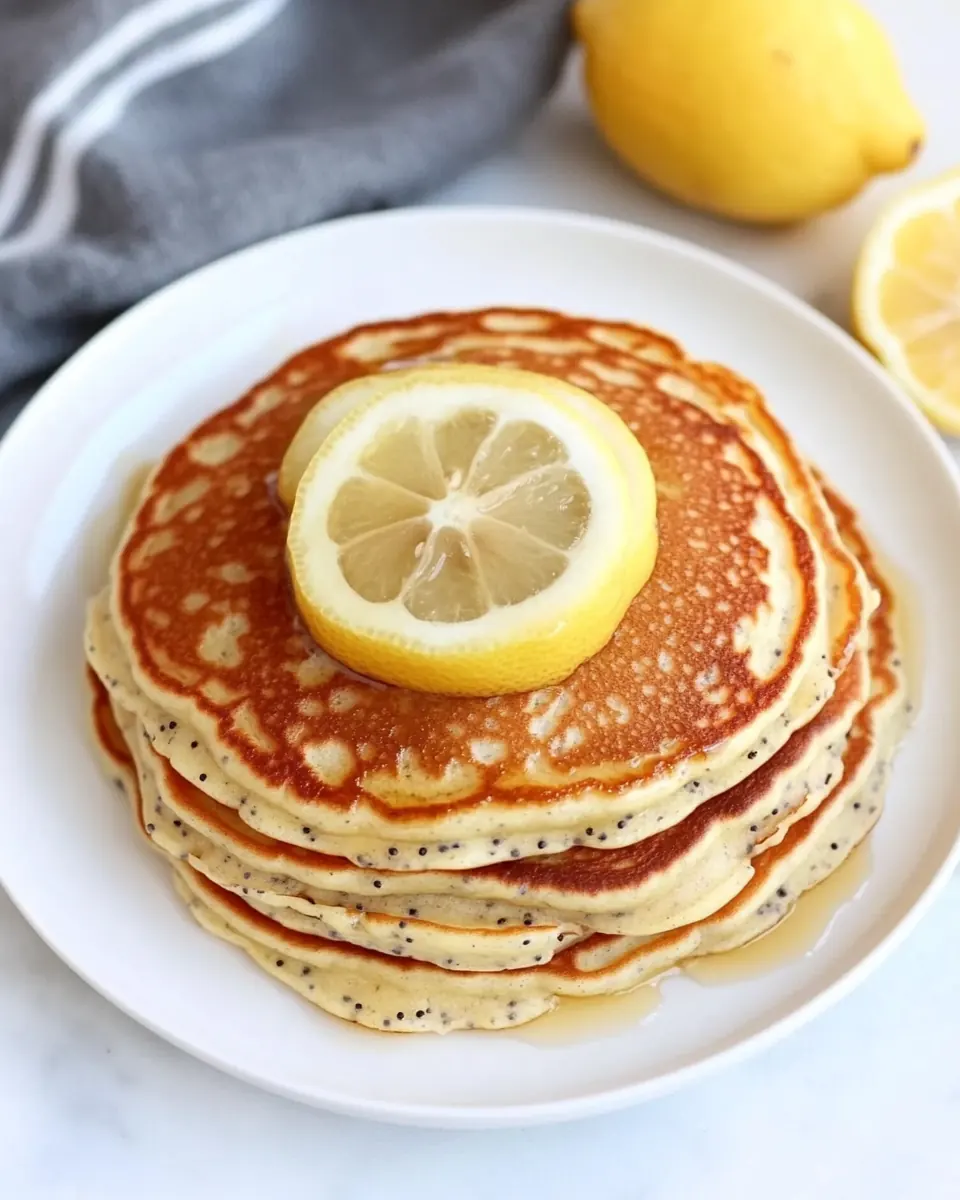
Over time I tweaked the batter to be forgiving, so it holds up when you are rushed or when you want to impress someone without fuss. The texture lands between fluffy and tender, thanks to the combination of white whole wheat flour and the moisture from the milk and yogurt. I like to serve them warm, watching the steam rise as syrup pools in the crevices, and I always savor the little crunch from the poppy seeds. If you love something fresh, bright, and a bit nostalgic, this is the stack to make.
Recipe Snapshot
25 mins
10 mins
15 mins
Easy
210 kcal
American
Gluten-Free, Low FODMAP
Breakfast
Griddle pan, Non stick skillet, Mixing bowls, Whisk, Measuring cups
The Beauty of This Lemon Poppy Seed Yogurt Pancakes
I love the balance of tang and sweet
First, the play between the Greek yogurt and lemon juice gives the pancakes a lively acidity that keeps them from tasting cloying. I value that contrast because it makes each bite feel bright, and I reach for these pancakes when I want something that tastes fresh without being tart.
The texture is reliably tender and fluffy
The combo of white whole wheat flour and a modest amount of baking powder creates a tender crumb that still holds together when you flip. I appreciate how forgiving the batter is, it does not need perfect mixing to make great pancakes, and that helps when you are making a batch for family or friends.
Poppy seeds add a subtle crunch
I enjoy the tiny, pleasant crunch from the poppy seeds because they add dimension without stealing the show. They scatter through the batter and give each mouthful a whisper of texture that contrasts nicely with the soft interior.
Yogurt keeps them moist and rich
Using Greek yogurt offers a richness that is different from butter or oil alone, it brings a creamy mouthfeel and a slight tang that deepens the flavor. I find pancakes made this way stay tender even after sitting for a short while, which is perfect if you are serving a crowd or pacing a brunch service.
Simple pantry ingredients, big reward
Finally, these pancakes use items most of us already keep on hand. With a handful of staples like eggs, milk, and a touch of sugar, you can make something feel special without running to the store. That convenience is a huge reason I return to this recipe again and again.
Lemon Poppy Seed Yogurt Pancakes Ingredients
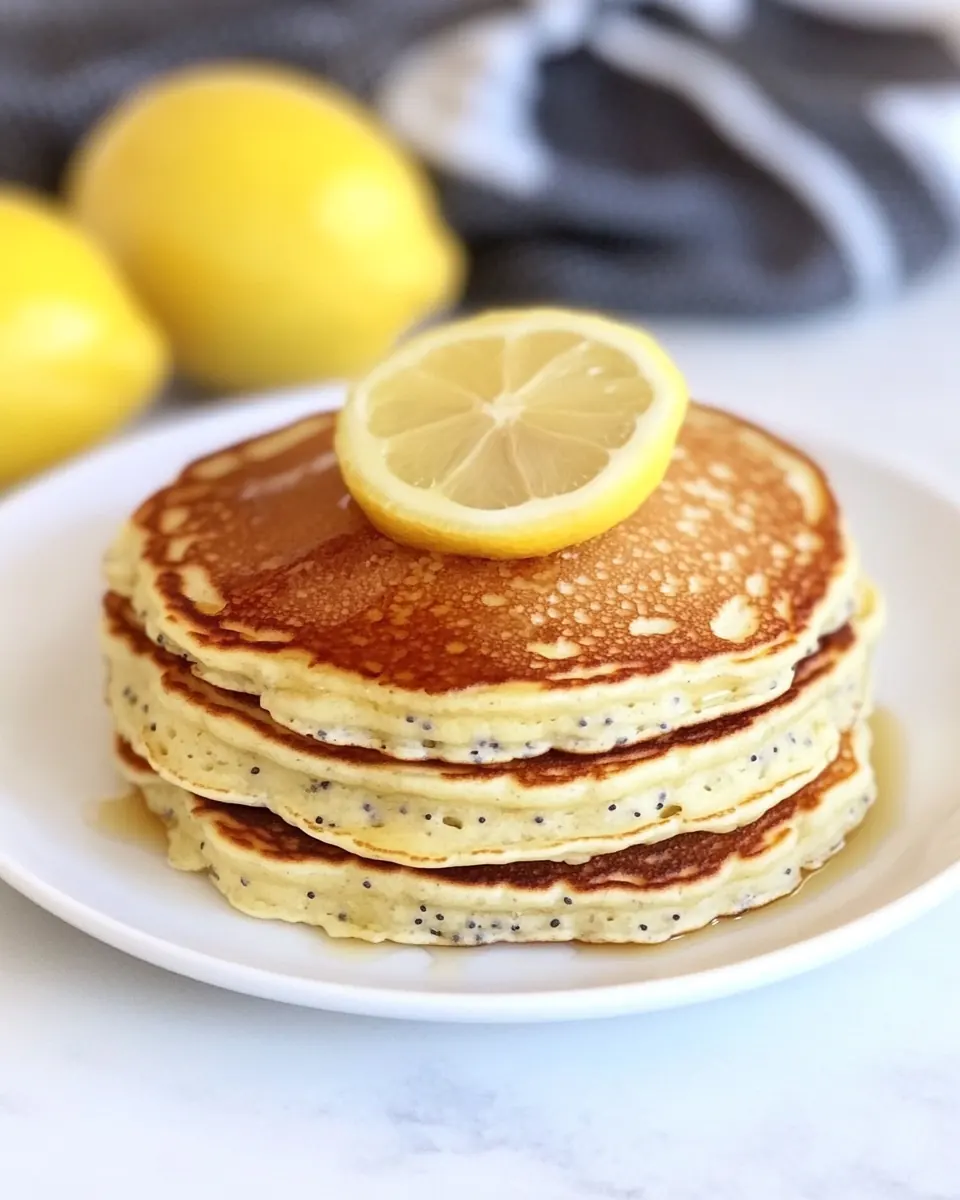
These ingredients are chosen to create a bright, tender pancake. The key players are the white whole wheat flour for structure, the Greek yogurt for moisture and tang, and the lemon zest and lemon juice for fragrant citrus notes, while poppy seeds add small crunchy pops.
- 1 1/2 cups white whole wheat flour: Provides structure and whole-grain nutrition while keeping a light texture; combines with liquids and leaveners to form the pancake batter. Sifts or stirs before measuring to ensure even distribution and prevent lumps for consistent results.
- 2 teaspoons baking powder: Creates lift and airiness by releasing gases when heated, helping pancakes rise and become fluffy. Measure accurately and avoid expired baking powder for optimal rise.
- 1/2 teaspoons salt: Adds essential seasoning to balance flavors and enhance sweetness; helps strengthen gluten slightly for better batter texture. Use fine salt and mix evenly to avoid salty pockets.
- 3 tablespoons granulated sugar: Contributes sweetness and aids browning for appealing color and flavor; dissolves into the batter to evenly sweeten each bite. Adjust amount to taste but maintain enough to balance lemon tartness.
- 3 teaspoons lemon zest: Imparts bright citrus aroma and concentrated lemon flavor, lifting the overall taste profile and complementing the poppy seeds. Zest freshly from unwaxed lemons for the most vibrant oil and flavor.
- 1/2 cup plain Greek yogurt: Adds tangy richness and moisture while contributing to tenderness through proteins and fat; also helps create a slightly dense, cake-like crumb. Choose full-fat Greek yogurt for creaminess and to react well with baking powder.
- 1 cup milk: Thins the batter to the correct consistency and provides additional moisture and mild dairy flavor; helps activate leavening and blend other ingredients smoothly. Warm or room-temperature milk integrates more evenly into batter.
- 2 tablespoons fresh lemon juice: Delivers fresh acidity and pronounced lemon flavor that brightens the pancakes and reacts with dairy for subtle lift. Strain seeds if desired and use freshly squeezed juice for best flavor.
- 2 large eggs: Binds ingredients together, adds richness, and contributes to tenderness and structure through egg proteins. Beat slightly before adding to ensure even incorporation and fluffier pancakes.
- 1 tablespoon canola oil: Provides moisture and a neutral fat to tenderize the crumb and prevent dryness; helps the batter brown evenly on the griddle. Can substitute other neutral oils but measure precisely to maintain texture.
- 1 teaspoon vanilla extract: Adds warm, sweet-smelling flavor and rounds out the batter with aromatic complexity; enhances perceived sweetness without extra sugar. Use pure vanilla extract for best authentic flavor.
- 2 tablespoons poppy seeds: Delivers pleasant crunch and a nutty, slightly floral note that contrasts the tender pancake; disperses throughout batter for consistent texture and visual appeal. Toast lightly if desired to intensify flavor before adding.
Preparation Steps for Lemon Poppy Seed Yogurt Pancakes
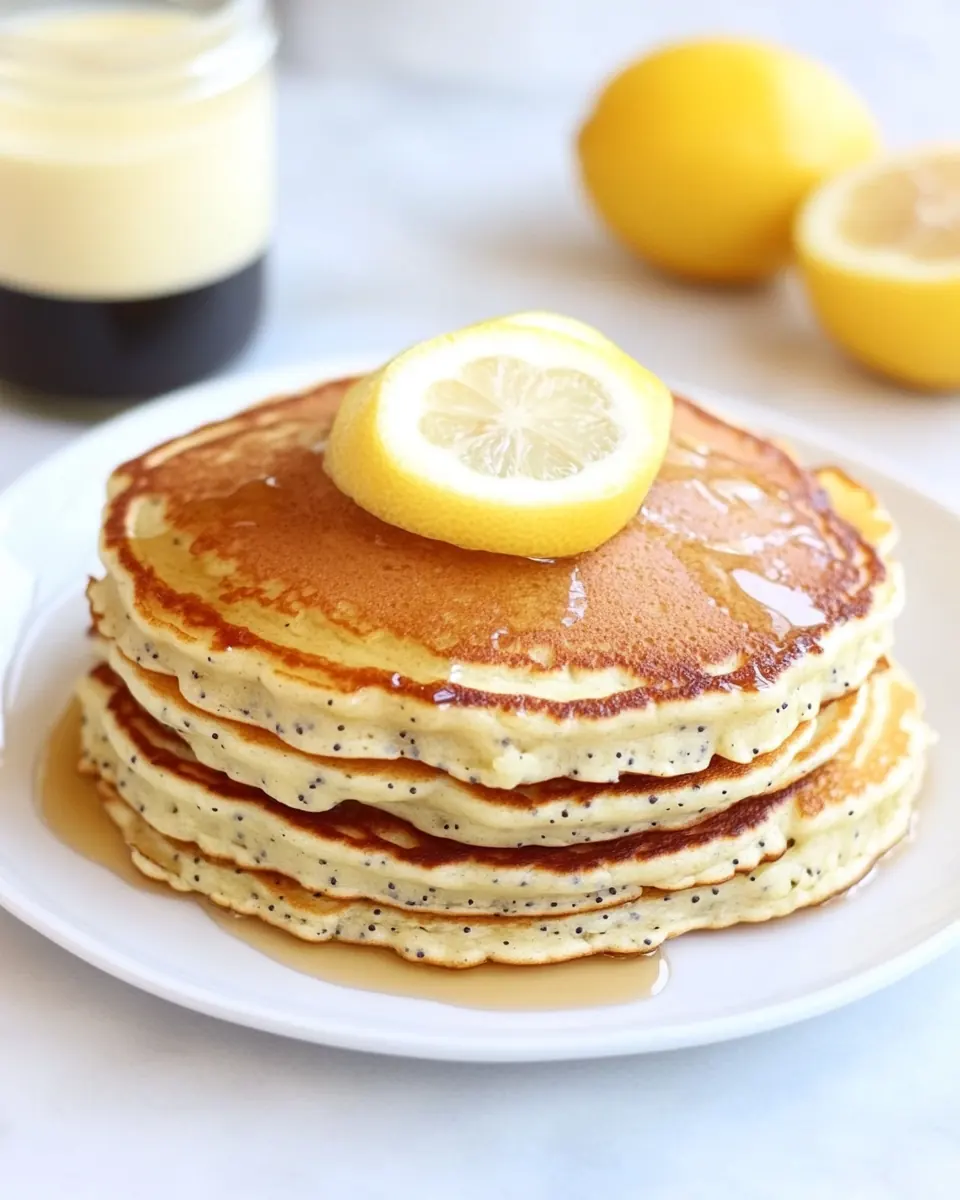
These steps will guide you from mixing bowls to a warm stack on the plate. Read each instruction slowly to catch the sensory cues that tell you the batter and pancakes are on track.
- In a large bowl, whisk together the flour, baking powder, and salt. In a small bowl, combine the sugar and lemon zest. Rub together with your fingers until fragrant. Whisk into the dry ingredients.: You will notice the dry mixture smelling faintly of grain and baking powder when it is well blended. Whisking distributes the baking powder evenly so pockets of leavening do not create uneven rise. A common mistake is dumping wet into dry without mixing first, which can leave lumps of baking powder that produce odd tasting spots, so take a moment to whisk until uniform and pale, with no visible streaks.
- In a medium bowl, whisk together the yogurt, milk, lemon juice, eggs, oil, and vanilla. Add the wet ingredients to the dry ones, mixing only until combined. Stir in the poppy seeds.: Rubbing the lemon zest into the granulated sugar releases fragrant oils, and you will smell a bright citrus aroma as you work them together. This step intensifies lemon flavor throughout the pancakes rather than only in a few bites. If you skip rubbing, the zest will still contribute flavor but not as uniformly. Avoid zesting too coarsely which can leave noticeable pieces that may be bitter.
- Heat a griddle pan or non-stick skillet over medium heat. Spray with cooking spray. Pour about 1/4 of a cup of pancake batter onto the hot griddle pan, spacing out the pancakes a few inches from each other. When the pancakes start to bubble up, flip and cook until pancakes are slightly golden brown. Serve warm with butter, maple syrup, fresh fruit, or jam if desired.: The tactile action warms the zest oils, and the sugar will take on a pale yellow hue and a floral lemon scent. This tactile step matters because it spreads the aroma and flavor through the sugar, infusing the batter. A pitfall is overdoing it and adding too much pressure which can bruise zest and release bitter pith if you accidentally include it.
- Whisk into the dry ingredients.: After you add the sugar and zest to the dry mix, whisk until the bits are evenly distributed and the mixture looks consistent. You'll see small flecks of zest throughout the pale flour, an encouraging visual cue. If you do not incorporate this thoroughly, you may get concentrated sweet or lemony pockets, so whisk until evenly speckled.
- In a medium bowl, whisk together the yogurt, milk, lemon juice, eggs, oil, and vanilla.: As you whisk, the mixture will smooth out and lighten slightly, and the aroma of vanilla and lemon will become more noticeable. This wet blend hydrates the yogurt , and the acid from the lemon juice enhances tenderness by interacting with the dairy. A common mistake is using cold ingredients which can cause the batter to clump, so bring eggs and milk to near room temperature when possible.
- Add the wet ingredients to the dry ones, mixing only until combined.: After pouring, stir gently until you see no large streaks of flour but still expect some lumps. Overmixing develops gluten and yields tougher pancakes, so stop as soon as the components come together. The batter should look slightly lumpy, not glossy. If you see a smooth, uniform batter, you have probably overworked it and the pancakes may be denser.
- Stir in the poppy seeds.: Fold the poppy seeds in just enough to disperse them; they will create tiny dark specks and add a light crunch. You should hear no sound change, but visually you will see even distribution. A misstep is adding too many seeds or stirring excessively, which can thicken the batter; follow the measured amount and fold gently.
- Heat a griddle pan or non-stick skillet over medium heat.: Listen for a quiet hiss when the pan warms and test by flicking a few drops of water which should dance and evaporate. Proper heat ensures an even, golden exterior without burning. If the pan is too hot, pancakes will darken on the outside while remaining undercooked inside, so adjust heat to maintain a steady, moderate sizzle.
- Spray with cooking spray.: A light coating prevents sticking and encourages even browning, and it will smell faintly of whatever spray you use. I prefer a quick spray between batches to maintain a clean surface. Using too much oil can cause uneven frying and greasier pancakes, so a thin mist is best.
- Pour about 1/4 of a cup of pancake batter onto the hot griddle pan, spacing out the pancakes a few inches from each other.: You will see the batter spread slightly and begin to set at the edges, forming round pancakes. Proper spacing allows steam to escape and makes flipping easier. Avoid pouring batter too thin or too close together which can result in misshapen pancakes or difficulty flipping.
- When the pancakes start to bubble up, flip and cook until pancakes are slightly golden brown.: Watch for small bubbles across the surface and edges that look set, this indicates readiness to flip. After flipping, the second side should take just a short time to develop a warm golden color and a tender interior. A frequent error is flipping too early or too late; timing by the bubble pattern and edge firmness gives the best results.
- Serve warm with butter, maple syrup, fresh fruit, or jam if desired.: The steam rising from a fresh pancake signals the ideal serving window, and toppings like maple syrup will pool in the surface crevices, enhancing every bite. Serve immediately for best texture, as pancakes will soften as they cool. If holding a stack, keep them loosely tented in a warm oven to prevent sogginess.
Helpful Hints
If you want consistent results, a few focused habits make all the difference. These tips expand on the recipe and help you manage timing, texture, and flavor so your pancakes come out reliably great every time.
- Start with fresh leavening, check the baking powder by testing it in warm water if it is older than six months, as stale leavening will yield flat pancakes.
- Rub zest into sugar, this boosts the aroma and ensures lemon flavor is evenly distributed rather than concentrated in pockets.
- Keep the batter slightly lumpy, overmixing develops gluten which makes pancakes chewy rather than tender and fluffy.
- Use a nonstick surface and light spray, a thin coating prevents sticking without adding excess oil that can make the pancakes greasy.
- Watch bubble formation, wait for bubbles to appear across the surface and for the edges to set before flipping to achieve even cooking.
- Serve immediately or hold warm, stack pancakes loosely in a low oven if serving for a group so they stay warm without steaming and getting soggy.
Great Combinations for Lemon Poppy Seed Yogurt Pancakes
These pancakes pair beautifully with bright, fresh flavors and comforting accompaniments, making them versatile for weekend brunch or a celebratory breakfast.
- Maple syrup and butter, classic and simple, let the pancakes shine while adding familiar sweetness and richness.
- Fresh berries, a bowl of strawberries, blueberries, or raspberries adds a tart contrast and a pop of color on the plate.
- Fruit compote or jam, slightly warmed preserves meld with the citrus and add depth when spooned over the warm stack.
- Greek yogurt dollop, extra Greek yogurt on the side reinforces the tang and adds creaminess without weighing the pancakes down.
- Light salad or citrus segments, for a brunch spread, include a simple salad or segmented citrus to keep the meal feeling fresh and balanced.
- Storage tips, cool pancakes completely before freezing in a single layer on a tray, then transfer to a bag for easy reheating in a toaster or oven.
- Occasions, perfect for spring mornings, leisurely weekends, or special breakfasts when you want a bright, cheery stack that feels both homemade and a little festive.
FAQ
Conclusion
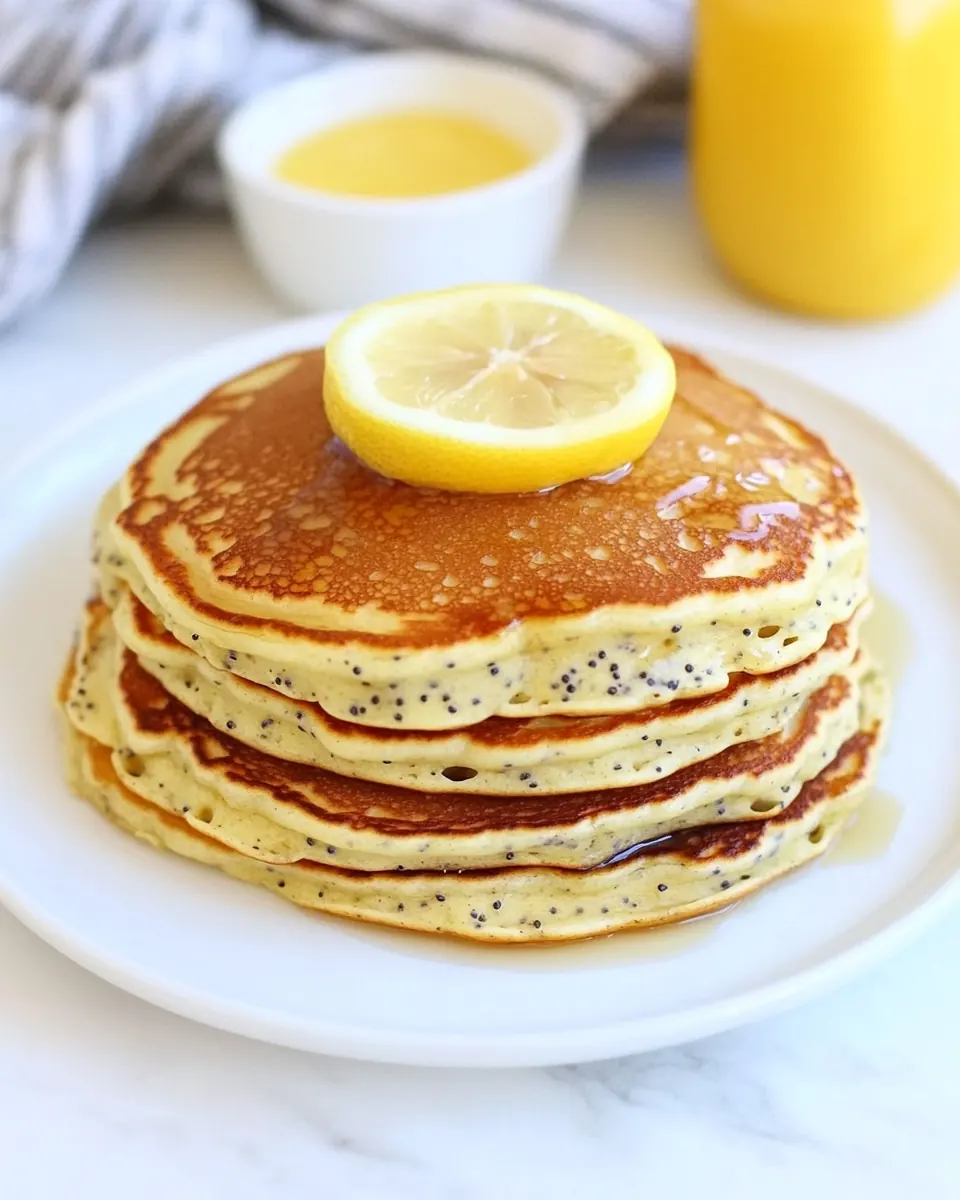
These Lemon Poppy Seed Yogurt Pancakes stand out because they combine bright citrus notes with a tender, yogurt enriched crumb and a delicate poppy seed crunch. They are approachable yet special, perfect for easy weekends or whenever you want a sunny breakfast. Give them a try and notice how a few simple adjustments like rubbing zest into sugar and using Greek yogurt change the whole experience. I hope you find them as comforting and uplifting as I do, and that they become a go to recipe for relaxed mornings and small celebrations.
Lemon Poppy Seed Yogurt Pancakes
Ingredients
Equipment
Method
- In a large bowl, whisk together the flour, baking powder, and salt. In a small bowl, combine the sugar and lemon zest. Rub together with your fingers until fragrant. Whisk into the dry ingredients.: You will notice the dry mixture smelling faintly of grain and baking powder when it is well blended. Whisking distributes the baking powder evenly so pockets of leavening do not create uneven rise. A common mistake is dumping wet into dry without mixing first, which can leave lumps of baking powder that produce odd tasting spots, so take a moment to whisk until uniform and pale, with no visible streaks.
- In a medium bowl, whisk together the yogurt, milk, lemon juice, eggs, oil, and vanilla. Add the wet ingredients to the dry ones, mixing only until combined. Stir in the poppy seeds.: Rubbing the lemon zest into the granulated sugar releases fragrant oils, and you will smell a bright citrus aroma as you work them together. This step intensifies lemon flavor throughout the pancakes rather than only in a few bites. If you skip rubbing, the zest will still contribute flavor but not as uniformly. Avoid zesting too coarsely which can leave noticeable pieces that may be bitter.
- Heat a griddle pan or non-stick skillet over medium heat. Spray with cooking spray. Pour about 1/4 of a cup of pancake batter onto the hot griddle pan, spacing out the pancakes a few inches from each other. When the pancakes start to bubble up, flip and cook until pancakes are slightly golden brown. Serve warm with butter, maple syrup, fresh fruit, or jam if desired.: The tactile action warms the zest oils, and the sugar will take on a pale yellow hue and a floral lemon scent. This tactile step matters because it spreads the aroma and flavor through the sugar, infusing the batter. A pitfall is overdoing it and adding too much pressure which can bruise zest and release bitter pith if you accidentally include it.
- Whisk into the dry ingredients.: After you add the sugar and zest to the dry mix, whisk until the bits are evenly distributed and the mixture looks consistent. You'll see small flecks of zest throughout the pale flour, an encouraging visual cue. If you do not incorporate this thoroughly, you may get concentrated sweet or lemony pockets, so whisk until evenly speckled.
- In a medium bowl, whisk together the yogurt, milk, lemon juice, eggs, oil, and vanilla.: As you whisk, the mixture will smooth out and lighten slightly, and the aroma of vanilla and lemon will become more noticeable. This wet blend hydrates the yogurt , and the acid from the lemon juice enhances tenderness by interacting with the dairy. A common mistake is using cold ingredients which can cause the batter to clump, so bring eggs and milk to near room temperature when possible.
- Add the wet ingredients to the dry ones, mixing only until combined.: After pouring, stir gently until you see no large streaks of flour but still expect some lumps. Overmixing develops gluten and yields tougher pancakes, so stop as soon as the components come together. The batter should look slightly lumpy, not glossy. If you see a smooth, uniform batter, you have probably overworked it and the pancakes may be denser.
- Stir in the poppy seeds.: Fold the poppy seeds in just enough to disperse them; they will create tiny dark specks and add a light crunch. You should hear no sound change, but visually you will see even distribution. A misstep is adding too many seeds or stirring excessively, which can thicken the batter; follow the measured amount and fold gently.
- Heat a griddle pan or non-stick skillet over medium heat.: Listen for a quiet hiss when the pan warms and test by flicking a few drops of water which should dance and evaporate. Proper heat ensures an even, golden exterior without burning. If the pan is too hot, pancakes will darken on the outside while remaining undercooked inside, so adjust heat to maintain a steady, moderate sizzle.
- Spray with cooking spray.: A light coating prevents sticking and encourages even browning, and it will smell faintly of whatever spray you use. I prefer a quick spray between batches to maintain a clean surface. Using too much oil can cause uneven frying and greasier pancakes, so a thin mist is best.
- Pour about 1/4 of a cup of pancake batter onto the hot griddle pan, spacing out the pancakes a few inches from each other.: You will see the batter spread slightly and begin to set at the edges, forming round pancakes. Proper spacing allows steam to escape and makes flipping easier. Avoid pouring batter too thin or too close together which can result in misshapen pancakes or difficulty flipping.
- When the pancakes start to bubble up, flip and cook until pancakes are slightly golden brown.: Watch for small bubbles across the surface and edges that look set, this indicates readiness to flip. After flipping, the second side should take just a short time to develop a warm golden color and a tender interior. A frequent error is flipping too early or too late; timing by the bubble pattern and edge firmness gives the best results.
- Serve warm with butter, maple syrup, fresh fruit, or jam if desired.: The steam rising from a fresh pancake signals the ideal serving window, and toppings like maple syrup will pool in the surface crevices, enhancing every bite. Serve immediately for best texture, as pancakes will soften as they cool. If holding a stack, keep them loosely tented in a warm oven to prevent sogginess.
Notes
- Start with fresh leavening, check the baking powder by testing it in warm water if it is older than six months, as stale leavening will yield flat pancakes.
- Rub zest into sugar, this boosts the aroma and ensures lemon flavor is evenly distributed rather than concentrated in pockets.
- Keep the batter slightly lumpy, overmixing develops gluten which makes pancakes chewy rather than tender and fluffy.
- Use a nonstick surface and light spray, a thin coating prevents sticking without adding excess oil that can make the pancakes greasy.
- Watch bubble formation, wait for bubbles to appear across the surface and for the edges to set before flipping to achieve even cooking.
- Serve immediately or hold warm, stack pancakes loosely in a low oven if serving for a group so they stay warm without steaming and getting soggy.