Sauteed Asparagus with Lemon Cream Sauce
Sauteed Asparagus with Lemon Cream Sauce is the kind of dish I reach for when spring arrives and the market is full of bright green bundles that smell faintly of the earth.
I first learned to make this while visiting a friend who kept an unruly backyard garden, and we would harvest asparagus together at dawn. The memory of cutting the spears, the cold snap of morning air, and the sound of butter sizzling in the pan still makes me grin. That first batch was simple, but the moment I added a splash of lemon and a touch of cream, it turned into something that felt elegant without being fussy.
Over the years I have tweaked the timing to honor the asparagus texture I love most, tender but with a little bite, and I always keep the sauce light enough to let the vegetable sing. When guests arrive unexpectedly, this recipe comes together in under 20 minutes and looks like you planned ahead. I like to serve it straight from the skillet so the sauce keeps its velvet sheen while everyone digs in.
Recipe Snapshot
15 mins
5 mins
10 mins
Medium
200 kcal
American
Keto, Gluten-Free
Side Dishes
Large skillet, Spatula
Why This Sauteed Asparagus with Lemon Cream Sauce Is So Good
Bright Seasonal Flavor
I adore how Sauteed Asparagus with Lemon Cream Sauce showcases the simple, unmistakable flavor of fresh asparagus. The green notes are front and center, and the lemon cuts through the richness of the cream so the plate never feels heavy.
Speed Without Sacrificing Quality
One reason I make this often is how quick it is to pull together. From the moment the butter hits the pan to the finished dish is just a few minutes, which makes it perfect for busy weeknights or last minute entertaining.
Textural Contrast
The cooking method gives you a tender interior with a slight bite on the outside of the spears. I like that contrast, because it makes each forkful interesting and prevents the dish from feeling one note.
Versatile and Elegant
This recipe feels special enough for a holiday table but simple enough for a casual dinner. I often bring it to potlucks because it travels well and pairs with so many mains.
Minimal Ingredients, Maximum Impact
With only a few pantry staples like butter, shallots, and heavy cream, this dish proves that you do not need a long shopping list to create something memorable. The ingredients are approachable, and each one plays a clear role in the final flavor profile.
Ingredient List for Sauteed Asparagus with Lemon Cream Sauce
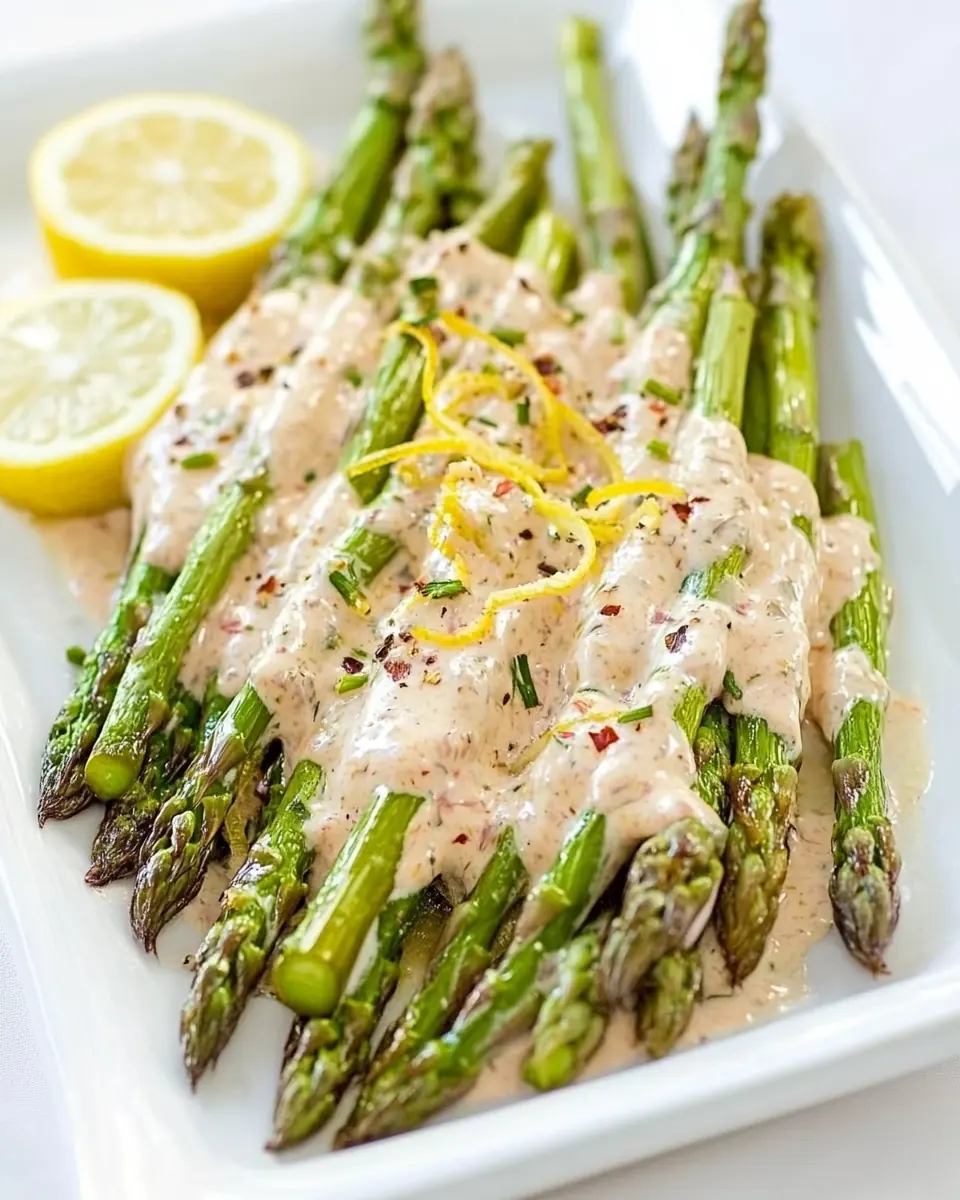
These ingredients are chosen to let the star ingredient shine while building a silky, bright sauce. The philosophy here is balance: fat for mouthfeel, acid for lift, and aromatics for depth. The key players are the asparagus, which provides freshness, the butter and heavy cream for richness, and the lemon juice to brighten everything.
- 3 tablespoons unsalted butter: Melted to create a rich cooking fat and glossy finish that helps sauté the aromatics and asparagus evenly; contributes a silky mouthfeel to the lemon cream sauce when combined with cream and emulsified with lemon juice.
- 2 tablespoons diced shallots: Finely diced to release a subtle sweet and oniony aroma when sautéed; provides delicate savory depth and a tender texture that complements the asparagus without overpowering the sauce.
- 1/2 teaspoons salt: Seasoning added during cooking to enhance and balance flavors; helps lift the natural sweetness of the asparagus and counterbalances the richness of butter and cream.
- 1/4 teaspoon ground black pepper: Ground to deliver a mild heat and aromatic complexity; used sparingly to build background spice and finish that brightens the sauce and roasted notes of asparagus.
- 1 to 1 1/2 pounds fresh asparagus washed and trimmed: Washed and trimmed to ensure tender, edible spears that cook evenly; provides the primary vegetable component with a crisp-tender texture and fresh, grassy flavor central to the dish.
- 2 teaspoons lemon juice: Squeezed to add bright acidity that cuts through richness; intensifies freshness, balances creaminess, and brings a zesty lift to the sauce and vegetables.
- 1/2 cup heavy cream: Poured in to create a luscious, silky sauce that binds butter and lemon into a cohesive coating; adds decadence, body, and a smooth mouthfeel to finish the asparagus.
- lemon slices garnish (optional): Used as an optional garnish to add visual appeal and a hint of extra citrus aroma; thin slices or wedges can be squeezed over the plated dish for an additional burst of brightness.
Cooking Instructions for Sauteed Asparagus with Lemon Cream Sauce
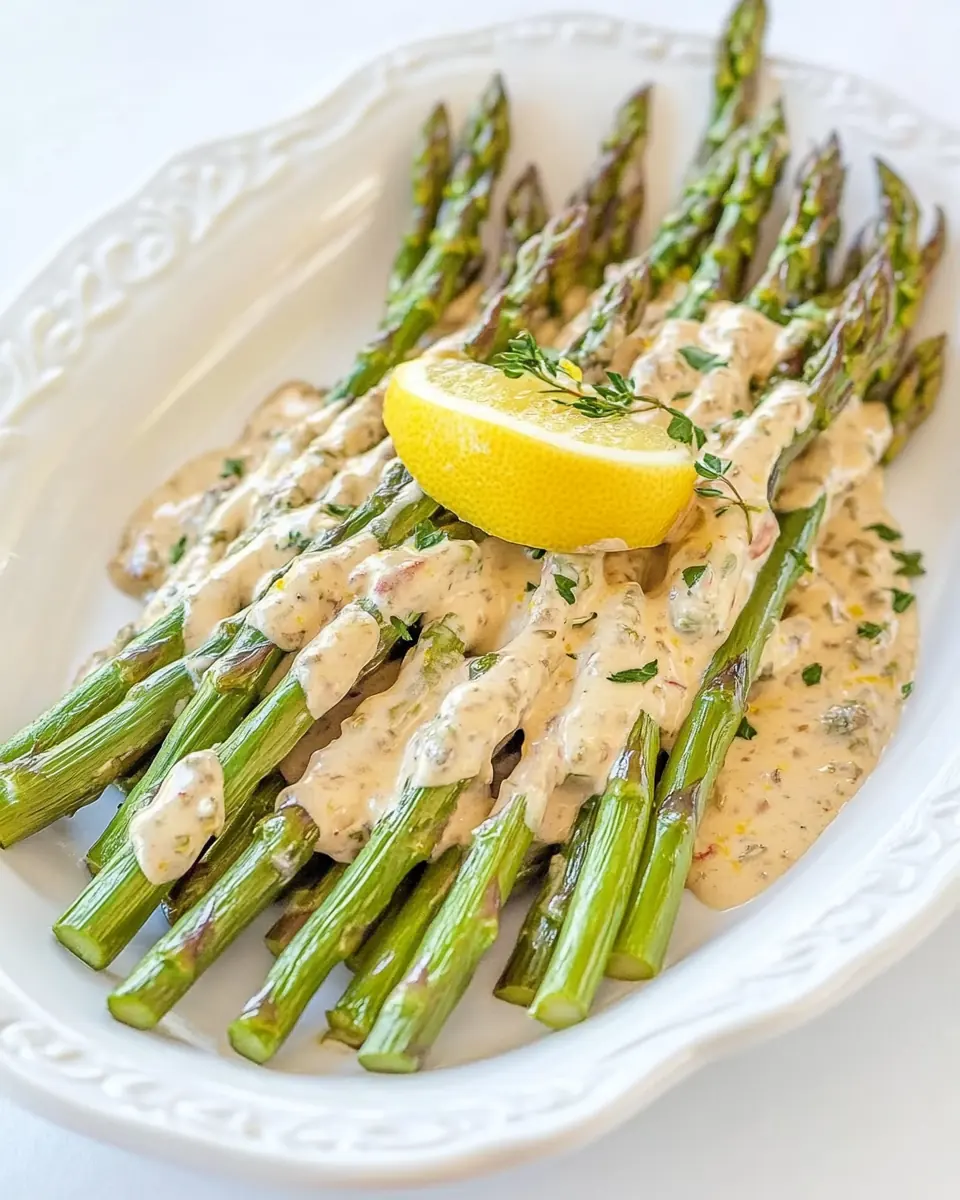
This is a hands on, quick-cook recipe that rewards attention. Keep your ingredients prepped, the skillet hot but not smoking, and taste as you go. Below, I expand each direction into sensory rich steps so you can learn to read the cues rather than the clock.
- Melt the butter in a large skillet over medium heat.: You will hear a soft sizzle and smell a warm, nutty aroma as the butter liquefies and begins to coat the pan. This scent is a cue that the fat is ready to carry flavors. Heat that is too high will brown the butter too quickly and can make the sauce bitter, while heat too low will not give you the subtle toasty notes that develop when the fat warms properly. A common mistake here is overheating, which causes fast browning, so keep an eye on the color and lower the heat if the butter darkens.
- Add the shallots and sauté them until they are soft and almost translucent. Season the shallots with salt and pepper while they are cooking.: As the shallots hit the pan, they should hiss gently and soon exhale a sweet, savory perfume. Watch them change from opaque to translucent, and stir so they soften evenly. Salting them early helps draw out moisture so they cook tender without burning. If you leave them too long without stirring they can brown unevenly and develop a bitter edge, so keep them moving in the skillet.
- Add the asparagus and toss to coat with the butter. Cook the asparagus until it changes color. The cook time will depend on the thickness of the asparagus.: When you add the asparagus , you should see a vivid shift in color from dull green to a brighter hue, and you may hear a brief pop and sizzle as water escapes. Tossing helps each spear pick up the flavored fat and allows even cooking. Pay attention to the texture by testing a spear at the thickest part for tenderness; overcooking makes them mushy, while undercooking will leave them too fibrous. A frequent error is crowding the pan, which steams instead of sautéing, so give room for the spears to contact the hot surface.
- Add the lemon juice and heavy cream, and stir to combine. Cook for 5 minutes.: As the lemon juice and heavy cream hit the pan, steam will rise and the aroma of citrus will enliven the buttery scent. The cream will begin to shimmer and slightly thicken into a silky sauce that clings to the asparagus . Gentle simmering helps reduce the liquid just enough to concentrate flavors, but a vigorous boil can separate the cream. If you see the cream break or curdle, lower the heat and whisk gently. One mistake is adding the cream to a pan that is too hot, which risks splitting, so aim for a steady gentle bubble.
- Transfer the asparagus from the skillet to a serving dish.: As you lift the spears out, notice how the sauce clings and how the surface of the stalks glistens. Serving promptly preserves the warm texture and keeps the sauce smooth. Leaving the asparagus sitting in the hot pan can continue to cook them and make them softer than desired, so transfer them once they reach your preferred tenderness. A common oversight is waiting too long to plate, which causes the vegetables to overcook.
- Pour the sauce over the asparagus.: Pouring the sauce creates a glossy finish and ensures each spear receives the creamy, lemony coating. The sauce should shimmer and have a light coat, not puddle excessively. If it seems too thin on the plate, return to low heat briefly to reduce; if it is too thick, a splash of warm water or a tiny extra squeeze of lemon juice will loosen it. Do not reheat aggressively, because high heat can change the texture of the cream.
- Garnish with lemon slices if desired.: Adding lemon slices gives a fresh, visual contrast and offers an optional additional squeeze for diners. The bright yellow against the green creates an appealing plate, and the citrus scent lifts the whole dish. If you skip garnish, consider a small additional scatter of freshly ground black pepper to finish. Avoid overdecorating, which can distract from the clean flavors of the asparagus .
How to Switch It Up
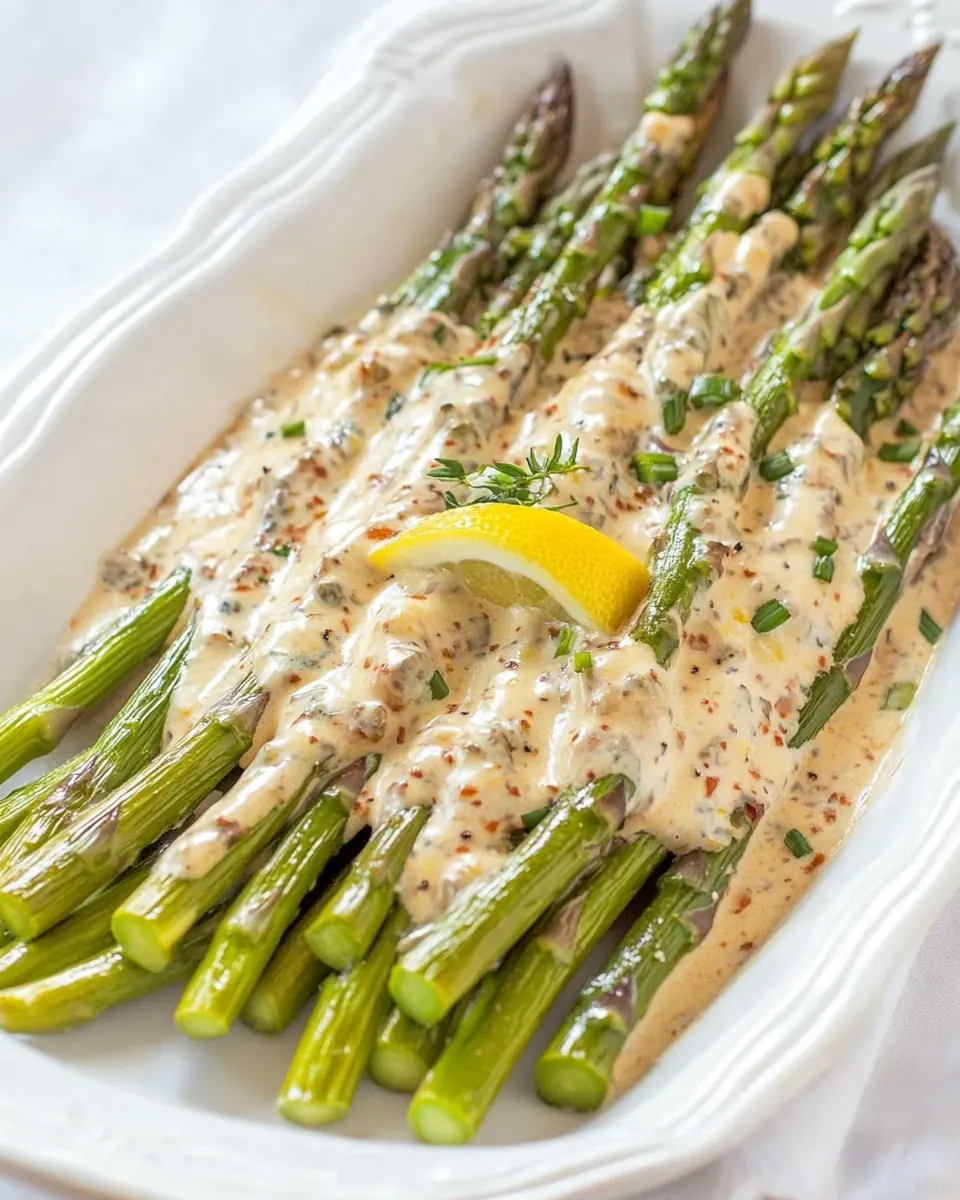
I like to vary this recipe depending on the occasion, but I always keep the balance of acid and cream. Below are ideas to change texture, presentation, or make the dish fit different meals while keeping the core identity intact.
- Play with citrus: Swap part of the lemon juice for a little orange or grapefruit juice for a sweeter, more floral finish, adjusting salt to taste.
- Adjust the creaminess: Use a little less heavy cream and finish with a touch of reserved butter for a lighter sauce that still has sheen and richness.
- Vary asparagus thickness: Cook thinner spears for a tender result, and thicker spears for a meatier bite; adjust time accordingly to avoid overcooking.
- Shallot alternatives: If you prefer a milder allium, substitute finely minced leek white for the shallots and sauté gently until soft.
- Garnish ideas: Beyond lemon slices, serve with freshly cracked black pepper or a tiny grating of preserved lemon for a bright, savory finish.
Side Dish Ideas for Sauteed Asparagus with Lemon Cream Sauce
This dish pairs well with a wide range of mains and occasions, and it transitions easily from casual dinners to more formal meals. Think about complementary textures and flavors when planning a plate, and consider seasonal produce to round things out.
- Spring dinner pairing: Serve alongside roasted new potatoes and a simply grilled protein for a complete, balanced meal that highlights seasonal produce.
- Elegant lunch: Plate with warm quinoa or farro, and a tossed green salad for a light but satisfying midday option that still feels refined.
- Holiday table: Make it part of a celebratory spread with other green vegetable sides, offering a bright contrast to richer dishes.
- Ramadan or fasting meals: Use as a fresh, easy side to break the fast with gentle flavors and comforting cream, served warm to the table.
- Storage tips: Store in an airtight container in the refrigerator for up to two days, and reheat gently in a skillet over low heat to preserve texture and avoid splitting the sauce.
- Seasonal pairing: In spring, pair with young peas or baby lettuces; in summer, add grilled tomatoes or corn to complement the lemon notes.
FAQ
Conclusion
This recipe is special because it elevates humble asparagus with a silky lemon scented cream that still lets the vegetable shine. I hope you give it a try the next time you want a quick, elegant side that works for weeknights and gatherings alike. It is forgiving, fast, and reliably delicious, and I think you will find it becomes a regular in your spring rotation.
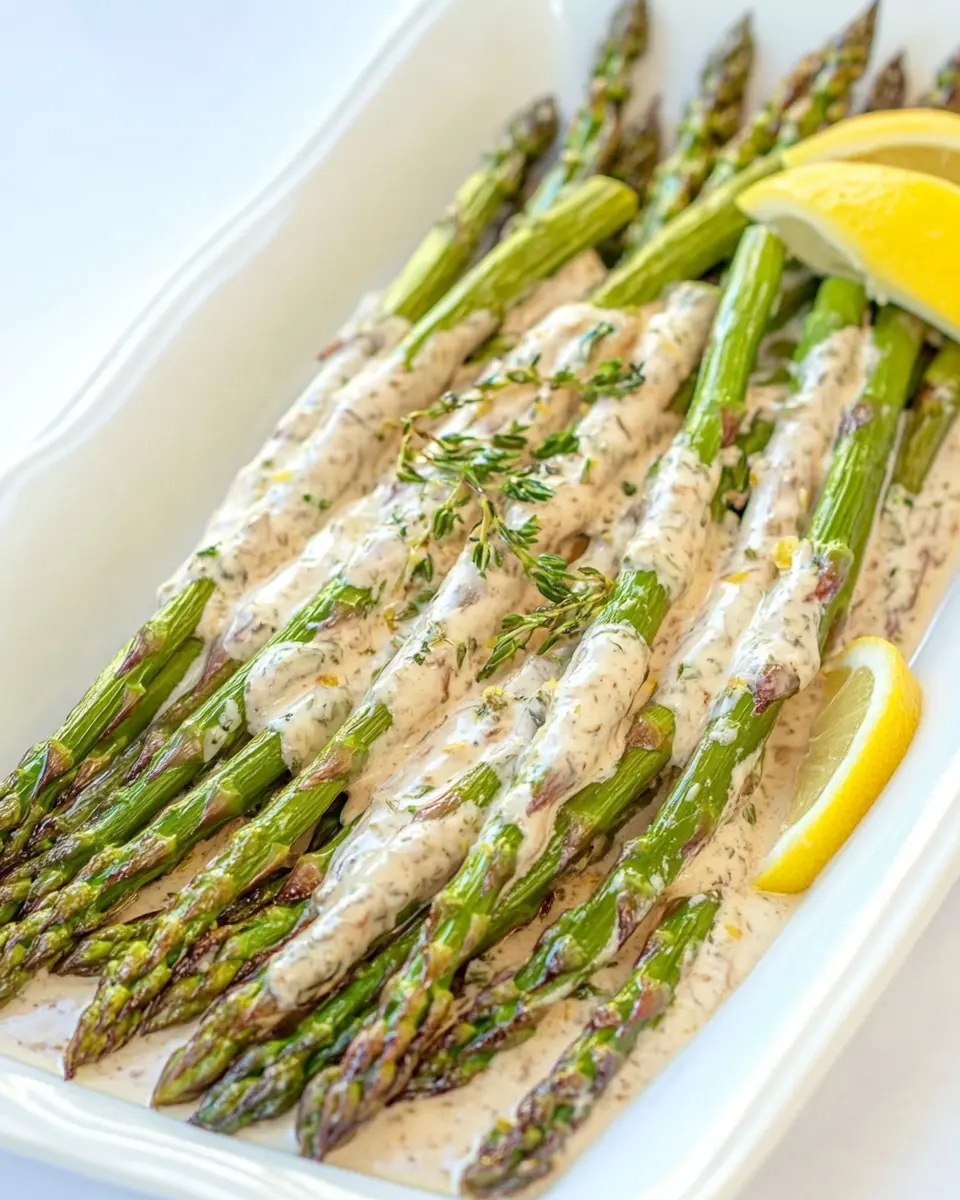
Sauteed Asparagus with Lemon Cream Sauce
Ingredients
Equipment
Method
- Melt the butter in a large skillet over medium heat.: You will hear a soft sizzle and smell a warm, nutty aroma as the butter liquefies and begins to coat the pan. This scent is a cue that the fat is ready to carry flavors. Heat that is too high will brown the butter too quickly and can make the sauce bitter, while heat too low will not give you the subtle toasty notes that develop when the fat warms properly. A common mistake here is overheating, which causes fast browning, so keep an eye on the color and lower the heat if the butter darkens.
- Add the shallots and sauté them until they are soft and almost translucent. Season the shallots with salt and pepper while they are cooking.: As the shallots hit the pan, they should hiss gently and soon exhale a sweet, savory perfume. Watch them change from opaque to translucent, and stir so they soften evenly. Salting them early helps draw out moisture so they cook tender without burning. If you leave them too long without stirring they can brown unevenly and develop a bitter edge, so keep them moving in the skillet.
- Add the asparagus and toss to coat with the butter. Cook the asparagus until it changes color. The cook time will depend on the thickness of the asparagus.: When you add the asparagus , you should see a vivid shift in color from dull green to a brighter hue, and you may hear a brief pop and sizzle as water escapes. Tossing helps each spear pick up the flavored fat and allows even cooking. Pay attention to the texture by testing a spear at the thickest part for tenderness; overcooking makes them mushy, while undercooking will leave them too fibrous. A frequent error is crowding the pan, which steams instead of sautéing, so give room for the spears to contact the hot surface.
- Add the lemon juice and heavy cream, and stir to combine. Cook for 5 minutes.: As the lemon juice and heavy cream hit the pan, steam will rise and the aroma of citrus will enliven the buttery scent. The cream will begin to shimmer and slightly thicken into a silky sauce that clings to the asparagus . Gentle simmering helps reduce the liquid just enough to concentrate flavors, but a vigorous boil can separate the cream. If you see the cream break or curdle, lower the heat and whisk gently. One mistake is adding the cream to a pan that is too hot, which risks splitting, so aim for a steady gentle bubble.
- Transfer the asparagus from the skillet to a serving dish.: As you lift the spears out, notice how the sauce clings and how the surface of the stalks glistens. Serving promptly preserves the warm texture and keeps the sauce smooth. Leaving the asparagus sitting in the hot pan can continue to cook them and make them softer than desired, so transfer them once they reach your preferred tenderness. A common oversight is waiting too long to plate, which causes the vegetables to overcook.
- Pour the sauce over the asparagus.: Pouring the sauce creates a glossy finish and ensures each spear receives the creamy, lemony coating. The sauce should shimmer and have a light coat, not puddle excessively. If it seems too thin on the plate, return to low heat briefly to reduce; if it is too thick, a splash of warm water or a tiny extra squeeze of lemon juice will loosen it. Do not reheat aggressively, because high heat can change the texture of the cream.
- Garnish with lemon slices if desired.: Adding lemon slices gives a fresh, visual contrast and offers an optional additional squeeze for diners. The bright yellow against the green creates an appealing plate, and the citrus scent lifts the whole dish. If you skip garnish, consider a small additional scatter of freshly ground black pepper to finish. Avoid overdecorating, which can distract from the clean flavors of the asparagus .
Notes
- Play with citrus: Swap part of the lemon juice for a little orange or grapefruit juice for a sweeter, more floral finish, adjusting salt to taste.
- Adjust the creaminess: Use a little less heavy cream and finish with a touch of reserved butter for a lighter sauce that still has sheen and richness.
- Vary asparagus thickness: Cook thinner spears for a tender result, and thicker spears for a meatier bite; adjust time accordingly to avoid overcooking.
- Shallot alternatives: If you prefer a milder allium, substitute finely minced leek white for the shallots and sauté gently until soft.
- Garnish ideas: Beyond lemon slices, serve with freshly cracked black pepper or a tiny grating of preserved lemon for a bright, savory finish.