How to Cook Steak in the Oven
How to Cook Steak in the Oven has been my shortcut to a restaurant quality dinner on nights when I want something impressive without fuss. I remember the first time I tried this method, clumsy but curious, and how the kitchen filled with the scent of searing meat and garlic, making the whole apartment feel cozier. That evening taught me to trust a hot pan, good seasoning, and a brief oven finish for reliably tender results.
Over the years, I have adjusted little details to suit my rhythm, from how long I pat the steaks dry to the exact moment I add butter and herbs. Each of those tweaks made a subtle difference, teaching me to pay attention to the way the crust develops and how the aroma evolves as butter melts and herbs sing. I love that this approach is both forgiving and precise, letting you focus on timing and sensory cues instead of a long ingredient list.
When guests come over, I often serve How to Cook Steak in the Oven with a calm confidence because the method is straightforward and the payoff is huge. It lets me chat, pour a drink, and finish with a flourish while the oven quietly brings the interior to that perfect pink center. If you like meat with a glossy, deeply browned crust and a rosy, juicy middle, this dish will likely become a weekday favorite.
Recipe Snapshot
13 mins
5 mins
8 mins
Medium
600 kcal
American
Keto, Gluten-Free
Dinner
Cast iron or carbon steel pan, Tongs, Instant read thermometer, Oven, Paper towels
The Best Thing About This How to Cook Steak in the Oven
Reliable Results Every Time
I love that How to Cook Steak in the Oven removes guesswork by combining a hot sear with a gentle oven finish, so you get a consistent crust and a tender center. When I follow this sequence, the exterior crisps while the interior cooks slowly to the exact doneness I want, which means fewer ruined dinners and more praise at the table.
Fast Enough for Weeknights
One reason I reach for this recipe is speed. From start to finish it moves quickly, which is perfect when I want a satisfying dinner without spending hours in the kitchen. The short active time lets me focus on a simple side while the oven does most of the work.
Layered, Aromatic Flavor
Adding butter, garlic, and fresh thyme and rosemary near the end builds complex flavors that penetrate the surface. I adore the way the butter browns and carries the herb oils, creating a fragrant gloss that makes every bite memorable.
Minimal Ingredients, Maximum Impact
This recipe proves you do not need a long shopping list to get a great steak. With just a few pantry staples and fresh herbs, the result is decadent and refined. I appreciate recipes that respect good ingredients and let them shine.
Confidence Builder
Finally, How to Cook Steak in the Oven is a technique I teach friends because it is approachable yet impressive. Once you learn the sensory cues and resting technique, you will feel much more confident cooking other cuts and trying small variations.
What You’ll Need for How to Cook Steak in the Oven
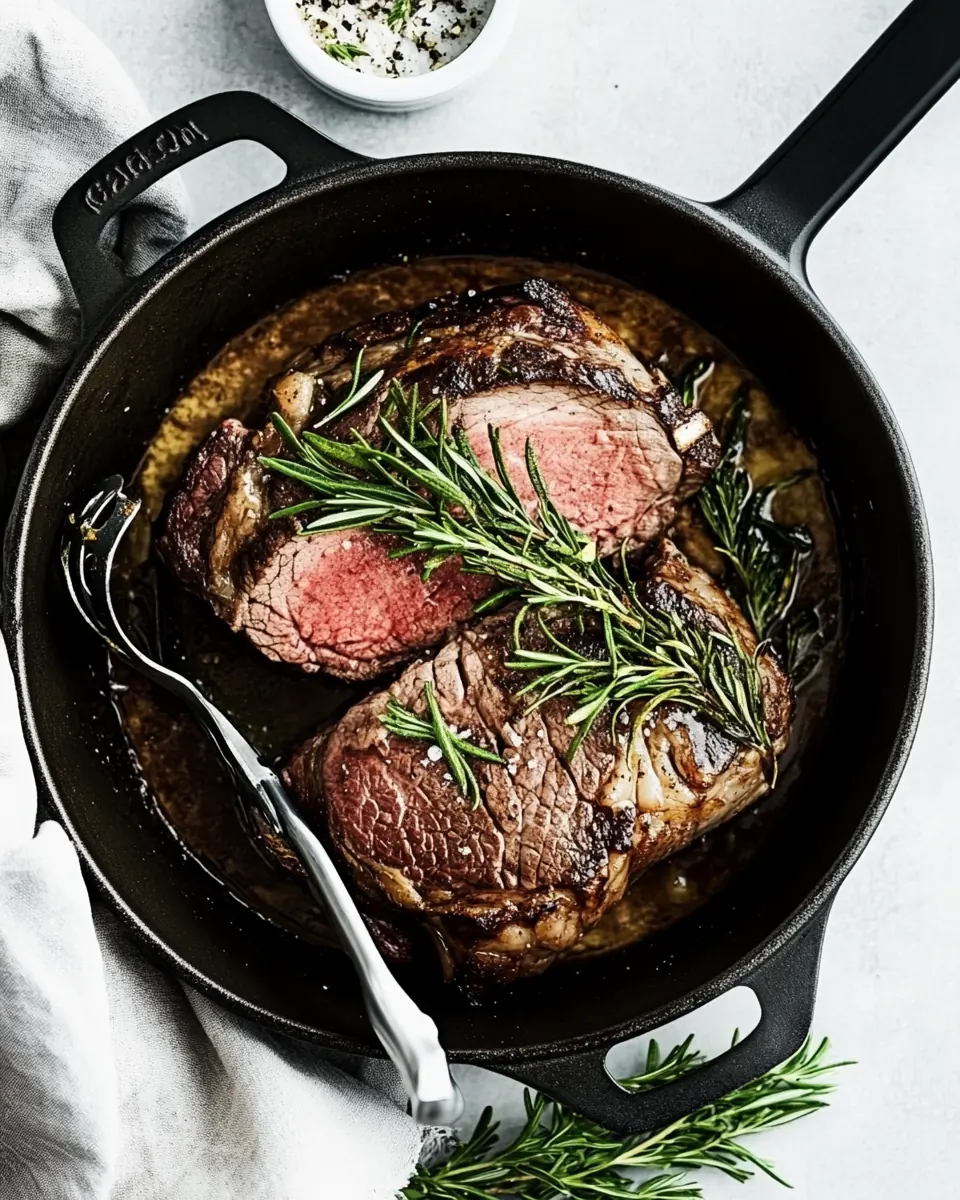
These ingredients are intentionally simple, focused on showcasing high quality steaks and building flavor through searing and finishing. The philosophy is less is more, where each component plays a clear role: oil for a hot sear, butter and herbs for aroma and gloss, and garlic for savory depth. Together they create a beautiful contrast between crunchy exterior and juicy interior.
- 2 12-14 ounce New York Strip Steaks or ribeyes: Provide hearty, well-marbled steaks that form the centerpiece of the dish; choose 12–14 ounce New York strip steaks or ribeyes for even cooking and rich beefy flavor. Let steaks come to room temperature before cooking to promote even searing and more consistent doneness. Season generously just before searing to build a flavorful crust while keeping juices inside.
- 2 tablespoons avocado oil: Help achieve a hot, stable sear on the steak and prevent sticking; use avocado oil for its high smoke point and neutral flavor. Coat the pan lightly to encourage Maillard browning without imparting extra taste. Combine with butter later in cooking to create a flavorful basting fat.
- 4 tablespoons unsalted butter: Add rich, nutty flavor and assist with basting to finish steaks in the oven; use unsalted butter so you can control seasoning precisely. Melt during pan-searing and oven-roasting to create a glossy, savory sauce that carries aromatics. Spoon over the meat to add moisture and enhance mouthfeel.
- 5 garlic cloves: Infuse savory, pungent aromatics into the butter while basting and roasting; crush or lightly smash garlic cloves to release oils. Cook briefly in the pan so garlic mellows and flavors infuse the fat without burning. Provide a subtle garlicky background that complements beef and herbs.
- 2 to 3 sprigs of fresh rosemary: Contribute a piney, slightly floral aroma that pairs beautifully with red meat; use 2–3 sprigs of fresh rosemary to perfume the basting butter and roast. Smash slightly to release essential oils and add to the pan during searing and oven finishing. Remove stems if desired before serving to avoid tough bits.
- 8 to 10 sprigs of fresh thyme: Offer bright, lemony, and earthy notes that lift the richness of beef; add 8–10 sprigs of fresh thyme to the butter while basting. Scatter sprigs in the pan so leaves and stems can impart delicate herbal flavor during roasting. Work with rosemary and garlic to create a layered herbaceous profile.
- coarse salt and freshly cracked pepper to taste: Season and enhance natural beef flavor while creating a savory crust; use coarse salt and freshly cracked pepper to taste, applying generously to each side before searing. Adjust quantities based on steak thickness and personal preference to balance seasoning. Re-season lightly after resting if needed to finish flavor.
Putting Together How to Cook Steak in the Oven
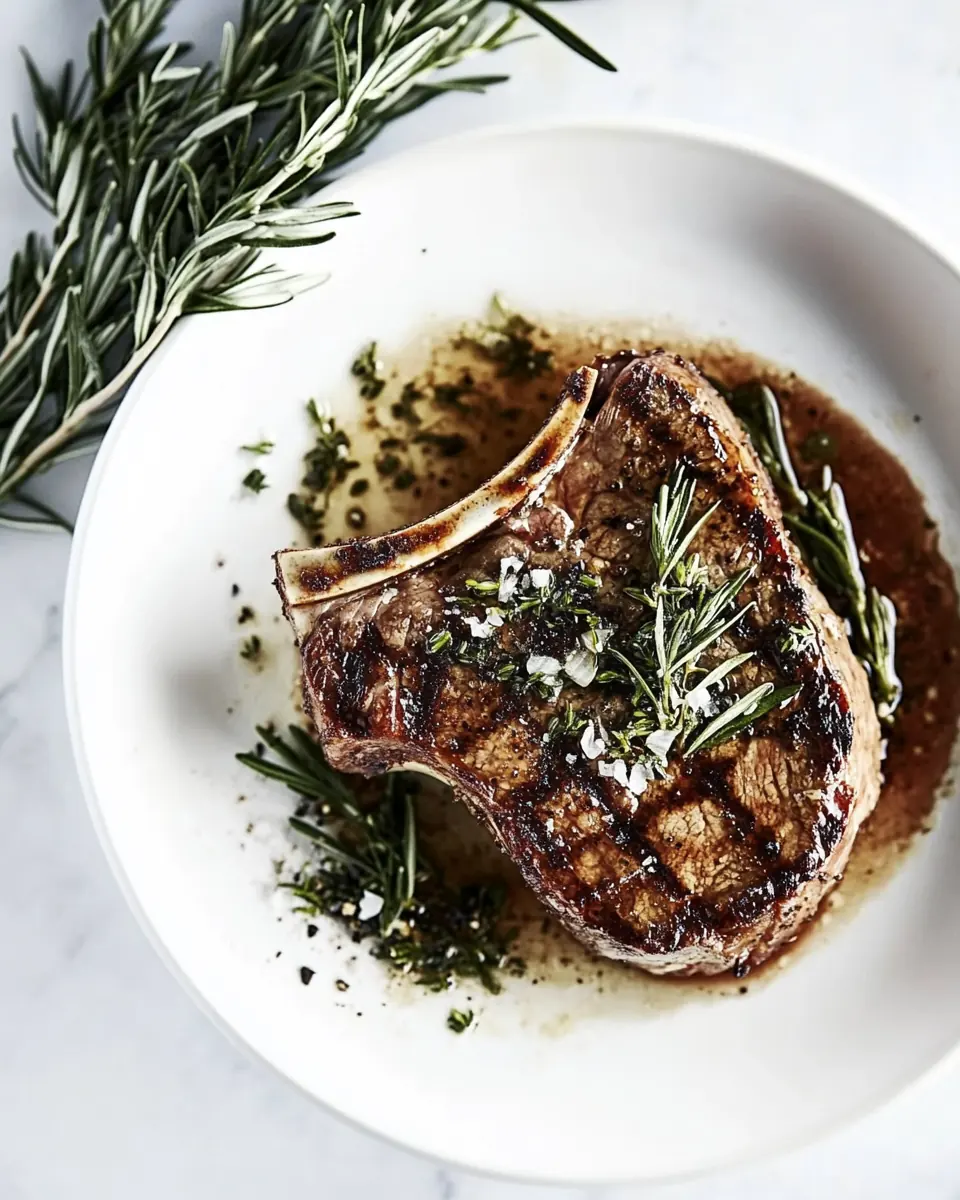
This method moves from a hot pan sear to a brief oven finish, so stay present for the sensory cues. I like to set everything within reach because once the steaks hit the pan it is a rapid sequence of steps that reward quick attention. Keep tongs, a meat thermometer, and a timer nearby.
- Preheat the oven to 400°.: The air in the oven will warm and surround the pan with steady heat, allowing the interior of the steaks to rise gently after searing. You should feel a slight warmth when you open the oven, and the environment helps finish the meat without overbrowning the crust. A common mistake is not preheating, which makes the cook time unpredictable and can lead to uneven doneness.
- Pat the steaks dry on all sides with a paper towel.: The surface should feel matte rather than damp, which encourages immediate browning when it meets the hot oil. You will notice less steam and more sizzling sound on contact, which signals efficient Maillard reaction. If the surface is wet, the steak will steam instead of sear, losing that desirable crust.
- Season them on all sides with salt and pepper. You can also dry brine the steak for 4 to 24 hours.: The salt will draw some moisture out briefly and then reabsorb, seasoning deeply, while the pepper adds a bright bite. You might see tiny crystals on the surface and smell a toasty aroma as the pepper warms in the pan. Avoid adding salt too late, as it will not penetrate as well and the crust may be bland.
- Add the olive oil to a large cast iron or carbon steel pan and heat over high heat until the oil smokes lightly.: Heating until the oil is just at the smoking point ensures an intense sear, producing a deeply browned crust quickly. You will see a faint shimmer on the oil surface and smell a toasty note; that is the cue to add the steaks. If the oil smokes heavily and smolders, reduce the heat slightly, because burnt oil will impart an unpleasant bitterness.
- For a medium-rare internal steak, place it in the pan, turn the heat down to medium, and let the steak cook for 1 minute.: Listen for a lively sizzle, which means the surface proteins are browning. The edges will darken and the side touching the pan will develop a golden tone. Avoid moving the steak too soon, or you will tear the developing crust and lose flavorful browning.
- Next, using tongs, move the steaks around in a circular motion for 1 minute. Doing this will help completely brown the top of the steak.: This gentle motion promotes even browning across the top while maintaining contact with the hot surface, giving a more uniform crust. You should hear a steady, confident sizzle and see the surface color deepen evenly. A pitfall here is overmanipulation, which can disrupt browning and create uneven sear patterns.
- Flip the steak over and immediately add in the butter, garlic, and thyme.: As the second side hits the pan, the butter will foam and the garlic and thyme will release fragrance, bathing the meat in aromatic fat. Tilt the pan and baste using a spoon to coat the surface with the flavored butter, which helps build an even glossy finish. Be careful not to let the butter brown too darkly, because burned butter tastes bitter.
- Transfer the pan to the oven on a middle rack and cook for 5 minutes or until it reaches 125° internally, which is a medium-rare doneness.: In the oven, the steak cooks more evenly, and you will notice the initial strong sizzle subside to a quieter roast. Use an instant read thermometer to check for 125°, aiming for that target to achieve medium-rare after resting. A common mistake is relying solely on time; ovens vary, so the thermometer is your best friend.
- Remove the steaks and place them on a rack to rest for 4 to 5 minutes before serving.: Resting lets the juices redistribute, turning a loose, bleeding interior into a juicy, sliceable center. You may see the surface firm slightly and juices pull back into the meat, which signals readiness. Cutting too soon causes those juices to spill onto the plate, leaving the steak drier than intended.
How to Switch It Up
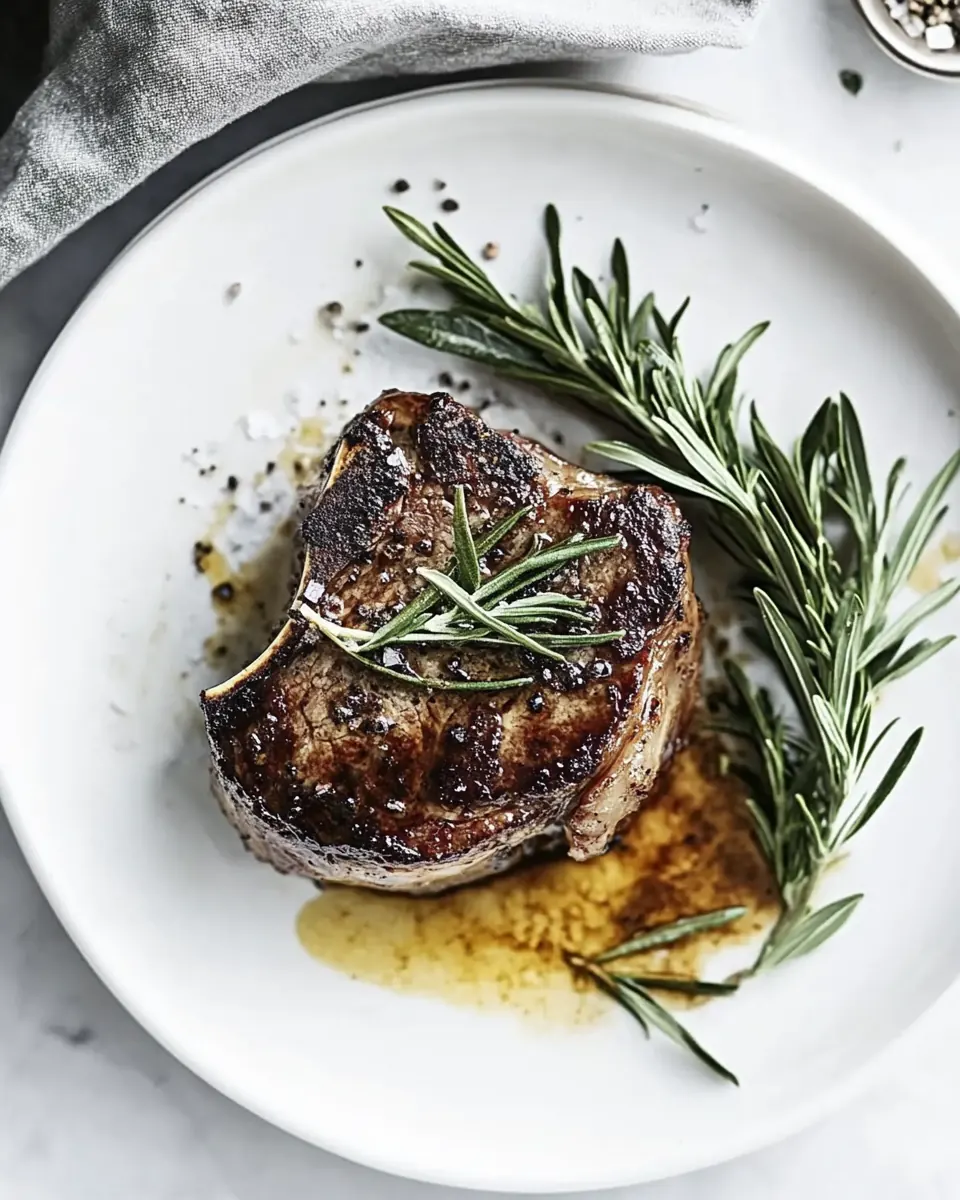
If you want to vary this technique, small adjustments can change texture, intensity, or how hands on the process is. Below are practical options to adapt the method for different cuts, flavor profiles, and timing needs.
- Try Different Cuts Use ribeyes for more marbling and richness, or New York strips for a leaner, beef forward bite; each cut responds differently to searing and resting.
- Herb Variations Swap or add herbs like oregano or parsley for a different aromatic signature, but keep the quantity modest so the meat remains central.
- Butter Infusions Soften the butter with minced shallot or a pinch of smoked salt before adding to the pan to create a nuanced finishing sauce.
- Finish Times Shorten oven time for rarer results, lengthen slightly for medium, but use a thermometer rather than guessing to avoid overcooking.
- Resting Approaches Tent loosely with foil for a minute if you want to keep warmth longer, but avoid fully sealing right away to prevent steaming the crust.
- Sear Alternatives If you lack cast iron, use a heavy stainless steel pan and allow more time for it to hold heat to achieve a comparable crust.
Perfect Pairings for How to Cook Steak in the Oven
This steak approach pairs beautifully with simple, complementary sides and works for casual dinners or special occasions. Think textures and temperatures that contrast the warm, juicy meat.
- Roasted Vegetables Serve with oven roasted root vegetables for an easy, hands off side that mirrors the oven finish.
- Fresh Salad A bright salad with acid cuts through the richness and refreshes the palate between bites.
- Mashed Potatoes Creamy mashed potatoes or a potato purée match the steak’s intensity and soak up buttery juices.
- Weeknight Dinner This method is perfect for a quick, impressive weeknight dinner when you want flavor without fuss.
- Special Occasions For small celebrations, plate the steak with a simple sauce and warmed bread to create a restaurant style experience at home.
- Storage Tips Refrigerate leftovers in an airtight container for up to 3 days and reheat briefly in a skillet to revive the crust.
FAQ
Conclusion
This recipe stands out because it pairs a hot sear with a brief oven finish to create a deeply flavored crust and a tender interior. Give it a try the next time you want a fast, impressive How to Cook Steak in the Oven dinner that does not demand lots of ingredients or time. With a little attention to sensory cues and proper resting, you will consistently get juicy, restaurant style results that make weeknights feel special.
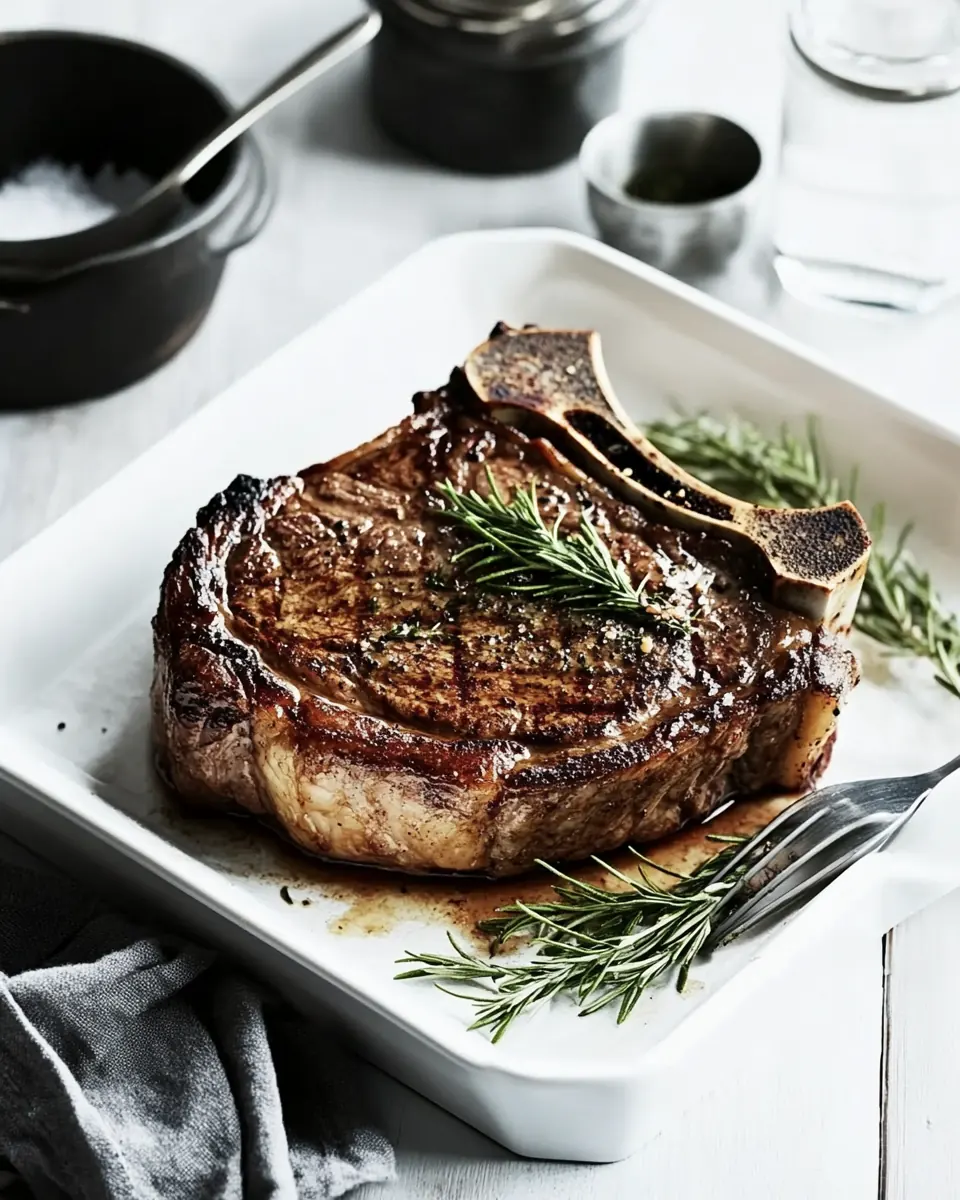
How to Cook Steak in the Oven
Ingredients
Equipment
Method
- Preheat the oven to 400°.: The air in the oven will warm and surround the pan with steady heat, allowing the interior of the steaks to rise gently after searing. You should feel a slight warmth when you open the oven, and the environment helps finish the meat without overbrowning the crust. A common mistake is not preheating, which makes the cook time unpredictable and can lead to uneven doneness.
- Pat the steaks dry on all sides with a paper towel.: The surface should feel matte rather than damp, which encourages immediate browning when it meets the hot oil. You will notice less steam and more sizzling sound on contact, which signals efficient Maillard reaction. If the surface is wet, the steak will steam instead of sear, losing that desirable crust.
- Season them on all sides with salt and pepper. You can also dry brine the steak for 4 to 24 hours.: The salt will draw some moisture out briefly and then reabsorb, seasoning deeply, while the pepper adds a bright bite. You might see tiny crystals on the surface and smell a toasty aroma as the pepper warms in the pan. Avoid adding salt too late, as it will not penetrate as well and the crust may be bland.
- Add the olive oil to a large cast iron or carbon steel pan and heat over high heat until the oil smokes lightly.: Heating until the oil is just at the smoking point ensures an intense sear, producing a deeply browned crust quickly. You will see a faint shimmer on the oil surface and smell a toasty note; that is the cue to add the steaks. If the oil smokes heavily and smolders, reduce the heat slightly, because burnt oil will impart an unpleasant bitterness.
- For a medium-rare internal steak, place it in the pan, turn the heat down to medium, and let the steak cook for 1 minute.: Listen for a lively sizzle, which means the surface proteins are browning. The edges will darken and the side touching the pan will develop a golden tone. Avoid moving the steak too soon, or you will tear the developing crust and lose flavorful browning.
- Next, using tongs, move the steaks around in a circular motion for 1 minute. Doing this will help completely brown the top of the steak.: This gentle motion promotes even browning across the top while maintaining contact with the hot surface, giving a more uniform crust. You should hear a steady, confident sizzle and see the surface color deepen evenly. A pitfall here is overmanipulation, which can disrupt browning and create uneven sear patterns.
- Flip the steak over and immediately add in the butter, garlic, and thyme.: As the second side hits the pan, the butter will foam and the garlic and thyme will release fragrance, bathing the meat in aromatic fat. Tilt the pan and baste using a spoon to coat the surface with the flavored butter, which helps build an even glossy finish. Be careful not to let the butter brown too darkly, because burned butter tastes bitter.
- Transfer the pan to the oven on a middle rack and cook for 5 minutes or until it reaches 125° internally, which is a medium-rare doneness.: In the oven, the steak cooks more evenly, and you will notice the initial strong sizzle subside to a quieter roast. Use an instant read thermometer to check for 125°, aiming for that target to achieve medium-rare after resting. A common mistake is relying solely on time; ovens vary, so the thermometer is your best friend.
- Remove the steaks and place them on a rack to rest for 4 to 5 minutes before serving.: Resting lets the juices redistribute, turning a loose, bleeding interior into a juicy, sliceable center. You may see the surface firm slightly and juices pull back into the meat, which signals readiness. Cutting too soon causes those juices to spill onto the plate, leaving the steak drier than intended.
Notes
- Try Different Cuts Use ribeyes for more marbling and richness, or New York strips for a leaner, beef forward bite; each cut responds differently to searing and resting.
- Herb Variations Swap or add herbs like oregano or parsley for a different aromatic signature, but keep the quantity modest so the meat remains central.
- Butter Infusions Soften the butter with minced shallot or a pinch of smoked salt before adding to the pan to create a nuanced finishing sauce.
- Finish Times Shorten oven time for rarer results, lengthen slightly for medium, but use a thermometer rather than guessing to avoid overcooking.
- Resting Approaches Tent loosely with foil for a minute if you want to keep warmth longer, but avoid fully sealing right away to prevent steaming the crust.
- Sear Alternatives If you lack cast iron, use a heavy stainless steel pan and allow more time for it to hold heat to achieve a comparable crust.